Los Angeles Hair Guide
Choosing the Right Length for Your Face-Framing Layers
A guide to deciding on the shortest front pieces, especially for ponytails and tied-back styles.
Every image you see is a bookable style. Click any photo to view details and book an appointment with a stylist.
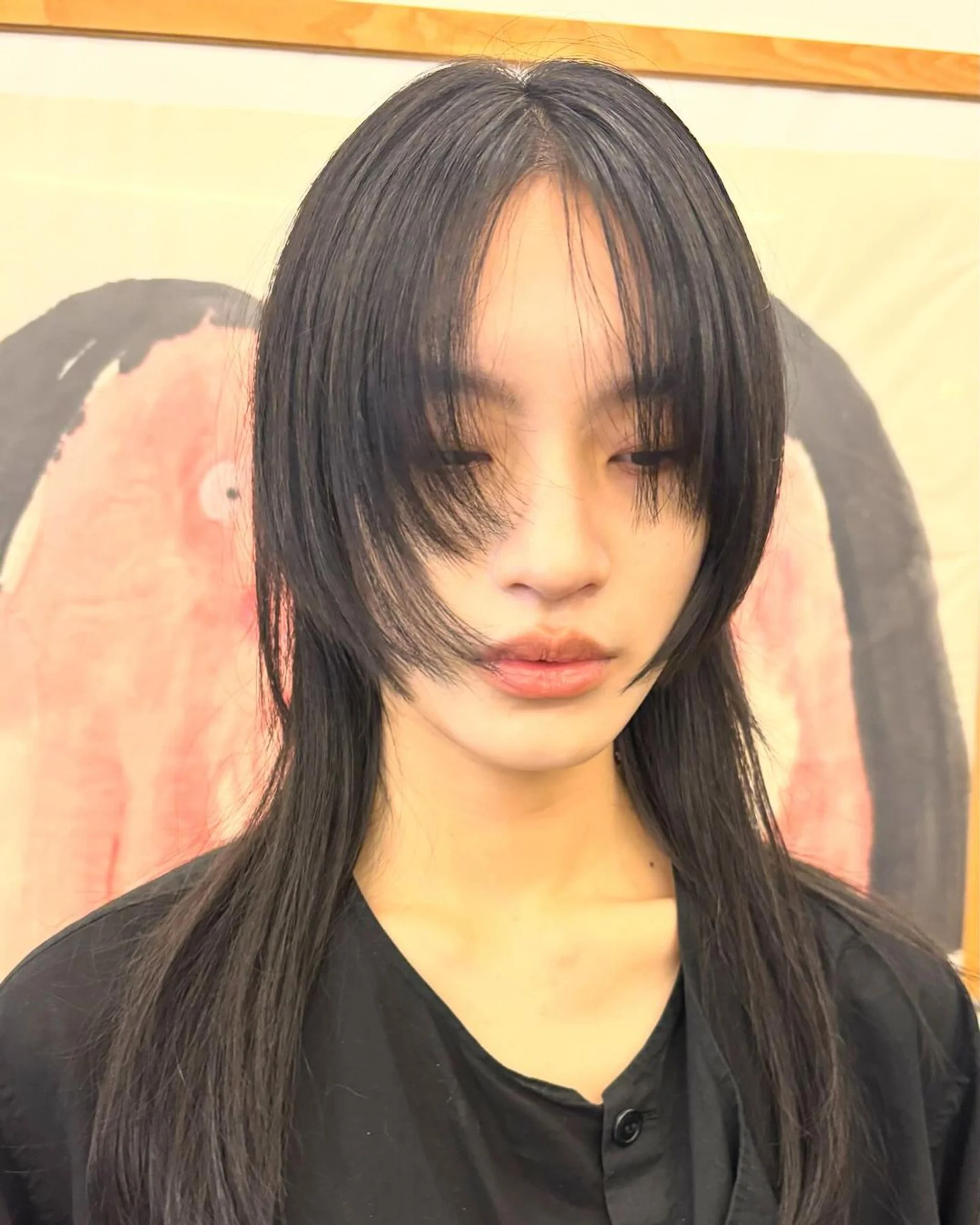
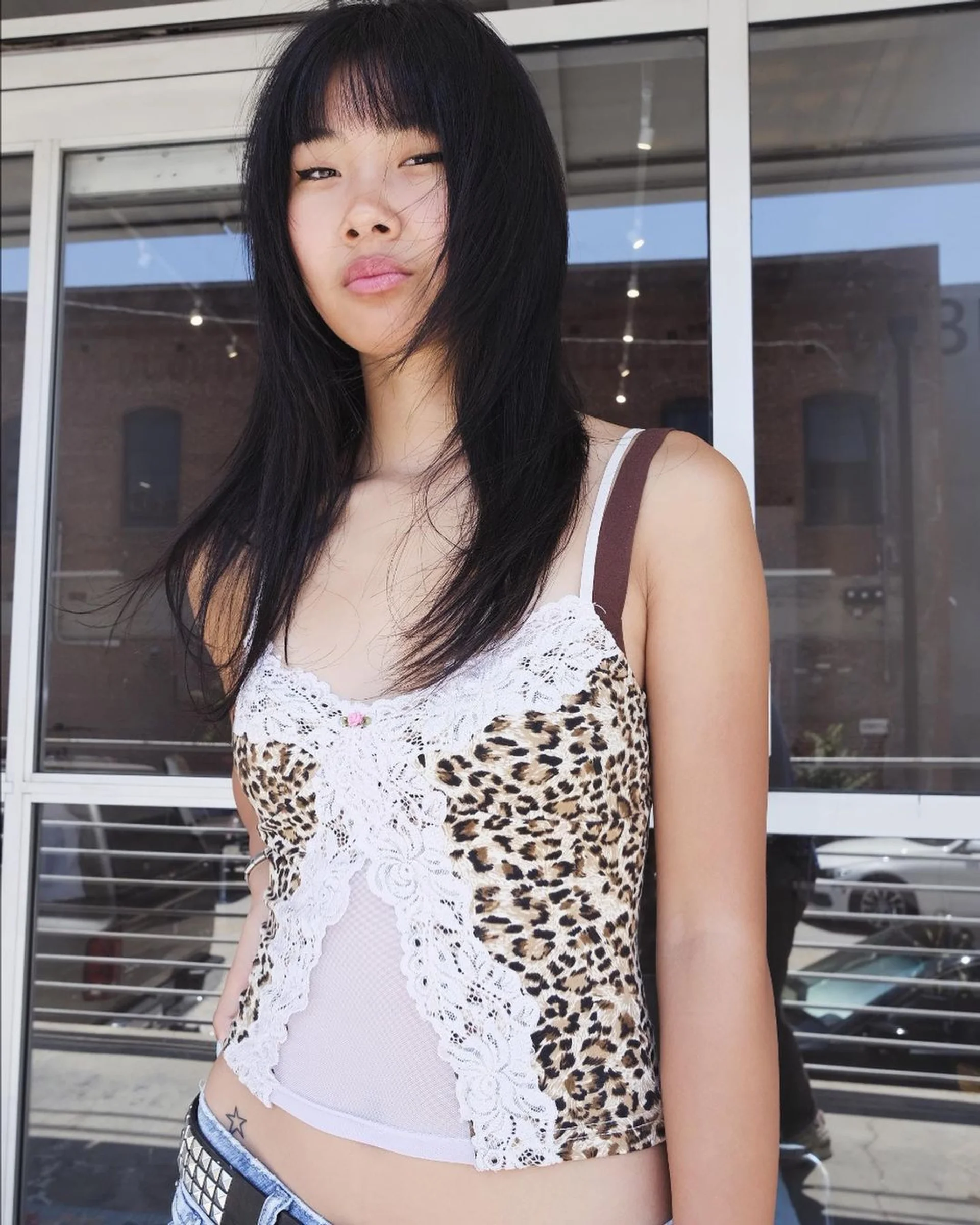
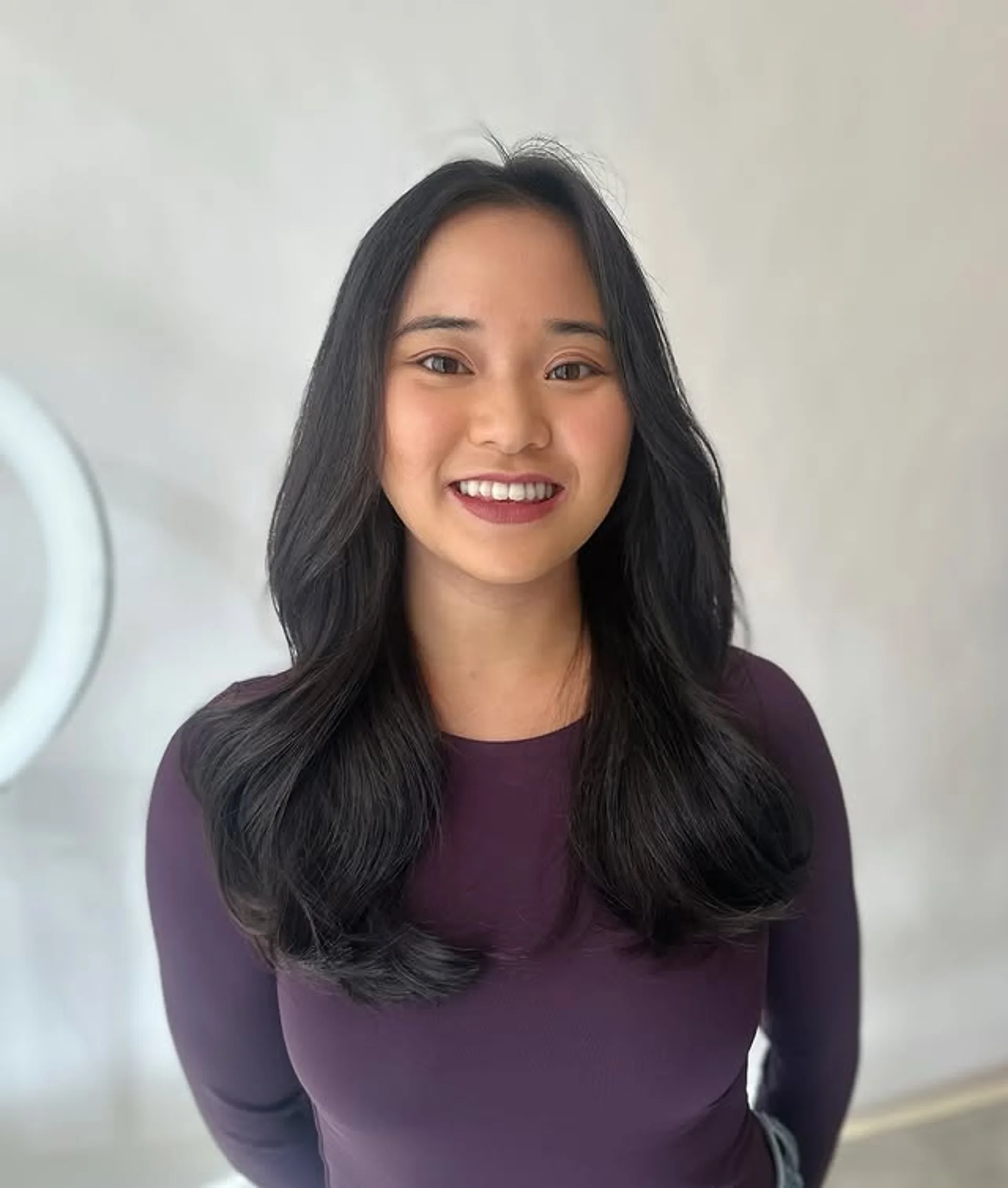
The key decision for face-framing layers is the length of the shortest piece. This determines whether it will intentionally fall out of a ponytail for a soft look or pull back cleanly for a more polished updo. Your daily styling habits, especially how often you tie your hair back, are the most important factor to discuss with your stylist.
Chin-Length & Shorter Layers for Soft Tendrils
These pieces are cut to fall out of updos.
Layers cut to the chin, cheekbone, or shorter function like curtain bangs or tendrils. They are intentionally designed to stay out when you tie your hair back, creating a soft, face-framing effect around the hairline. This is ideal if you prefer a less severe look for ponytails and buns and don't mind having pieces that need separate styling or occasional tucking behind the ears.


💬What to Ask Your Stylist
- How will these short pieces behave with my hair texture when I let them air-dry?
- What daily styling will be required to make these pieces look polished?
Best For:
- • Softening updos and ponytails
- • Creating an effortless, lived-in look
- • Adding interest to tied-back styles
NYC Price Range:
Ask the salon for a current quote
Maintenance:
These shorter pieces may require daily styling with a flat iron or round brush and may need more frequent trims than the rest of your hair to maintain their shape. Ask your stylist for a personalized maintenance plan.
Jawline-to-Collarbone Layers for Versatility
These pieces can be tucked back or left out.
This mid-range length offers the most versatility. The layers are short enough to create visible shape and movement when your hair is down, but generally long enough to be tucked behind your ears or secured with a pin. Depending on the exact length and where you place your hair tie, they may or may not stay in a simple ponytail, giving you the option for a clean or a soft updo.


💬What to Ask Your Stylist
- If we cut the shortest layer to my jawline, will it be long enough to reach a high ponytail?
- Will this length be easy to style away from my face on days I don't want it out?
Best For:
- • Defining the jawline and cheekbones
- • Having the option to pull hair fully off the face
- • Adding movement without committing to bangs
NYC Price Range:
Ask the salon for a current quote
Maintenance:
This length is generally lower maintenance than shorter tendrils, as it blends more easily into the rest of the hair as it grows. Discuss your ideal trim schedule with your stylist.
Long & Blended Layers for a Clean Updo
These layers are designed to pull back completely.
If your goal is to have all of your hair securely in a ponytail or bun with no loose pieces, opt for long, blended face-framing layers. The shortest piece typically starts at the collarbone or below. This approach softens the haircut's overall silhouette when worn down without creating shorter tendrils that would fall out of an updo, making it a practical choice for active lifestyles.


💬What to Ask Your Stylist
- What is the shortest layer length that will guarantee it stays in my everyday ponytail?
- Can we create shape around my face without adding any layers I can't tie back?
Best For:
- • A clean, polished look when hair is tied back
- • Active lifestyles or work that requires hair to be up
- • Subtle shaping and movement when hair is down
NYC Price Range:
Ask the salon for a current quote
Maintenance:
Long layers are the lowest maintenance option for face-framing, as they grow out seamlessly with the rest of your hair. Your overall haircut maintenance will depend on the other layers in your cut.
Consultation Tips for the Perfect Frame
Discuss your daily routine and habits.
Mention how you part your hair, if you wear glasses, how often you work out, and your tolerance for hair touching your face. These details help a stylist choose a starting point for your layers that won't interfere with your lifestyle.
Use your hands to show, not just tell.
Physically show the stylist where you typically tie your ponytail (high, low, mid-head). Then, pull pieces of hair forward to indicate where you'd like the shortest layer to fall. This visual communication is much clearer than saying 'chin-length'.
Before You Book Your Cut in Los Angeles
Find reference photos with a similar hair texture.
Layers will sit differently on fine, straight hair versus thick, wavy hair. When you browse the hairstyles portfolio, look for examples that match your hair's natural texture to get a more realistic idea of the final result.
Show your 'up' and 'down' styles.
Bring photos of how you want the layers to look when your hair is down, but also be ready to show the stylist how you tie it back. This ensures they understand the full scope of what you need the haircut to do.
Compare portfolio photos and discuss your goals with a stylist.