
HAIRCUT GUIDE
Collarbone Cuts for Thick Hair: Movement Without Wispy Ends
Every image you see is a bookable style. Click any photo to view details and book an appointment with a stylist.
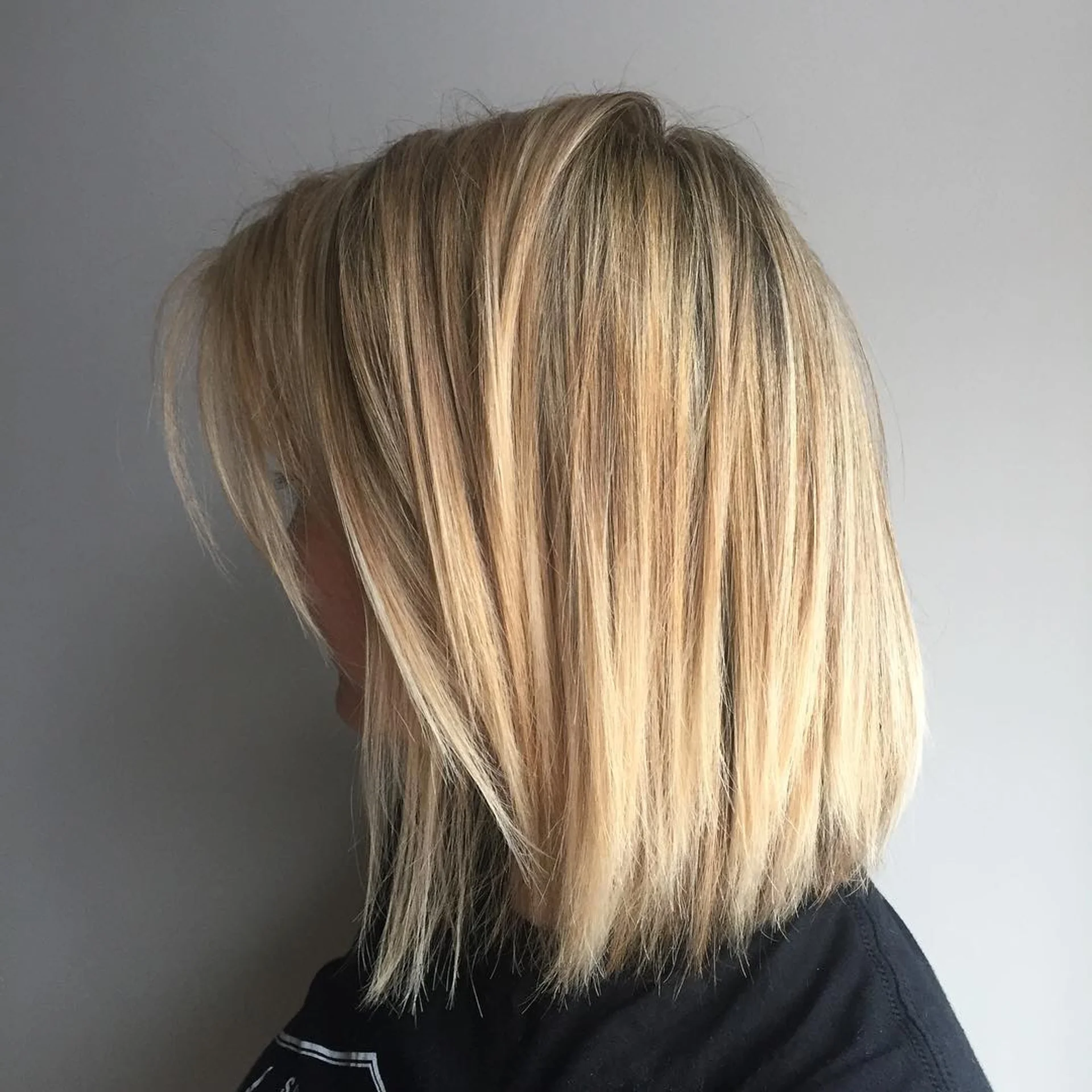

Managing Density at the Collarbone
Thick hair cut to the collarbone can easily become excessively bulky or, if over-thinned by a stylist, stringy and difficult to style at the ends. The solution to managing this density is not indiscriminate use of thinning shears; it is maintaining a strong perimeter weight while using controlled, internal layering to create movement. This approach avoids a frayed, wispy look while ensuring the hair sits cleanly on the shoulders without mushrooming outwards.
The Strong Baseline: Blunt Collarbone Cuts
A blunt perimeter acts as a physical anchor for thick hair, helping to prevent it from flipping unpredictably at the shoulders. By avoiding texturizing the very bottom inch of the hair, stylists keep the ends looking dense and polished. This option is highly suited for those who prefer sleek, straight styles or distinct, blocky waves. During a consultation, you might discuss point-cutting the extreme ends slightly for softness, rather than using traditional thinning techniques that can create a frayed appearance.


Controlled Internal Layering for De-bulking
If a completely blunt cut feels too triangular or heavy for your texture, controlled internal layers provide the necessary debulking. Instead of short surface layers that can puff up and expand on thick hair, internal layering removes weight from the interior while leaving the outer canopy relatively long. This gives the hair movement and swing without sacrificing the appearance of fullness at the hemline. This method is highly customizable and works beautifully for enhancing natural bends without leaving the ends looking thin.

Face-Framing Movement on a Solid Perimeter
You can achieve a highly styled, dynamic look without compromising the density of your collarbone baseline by focusing the texture entirely around the face. Adding sweeping bangs or disconnected face-framing layers creates the visual effect of a heavily layered cut from the front, while the back remains solid and manageable. This is an excellent compromise for thick hair, as it prevents the dreaded "bell" silhouette while keeping the ends thick and healthy.

Compare portfolio photos and discuss your goals with a stylist.
Explore hairstyles