
HAIRCUT & COLOR GUIDE
Soft Face-Framing Balayage: How to Get Brightness Without the High-Contrast Stripe
Every image you see is a bookable style. Click any photo to view details and book an appointment with a stylist.
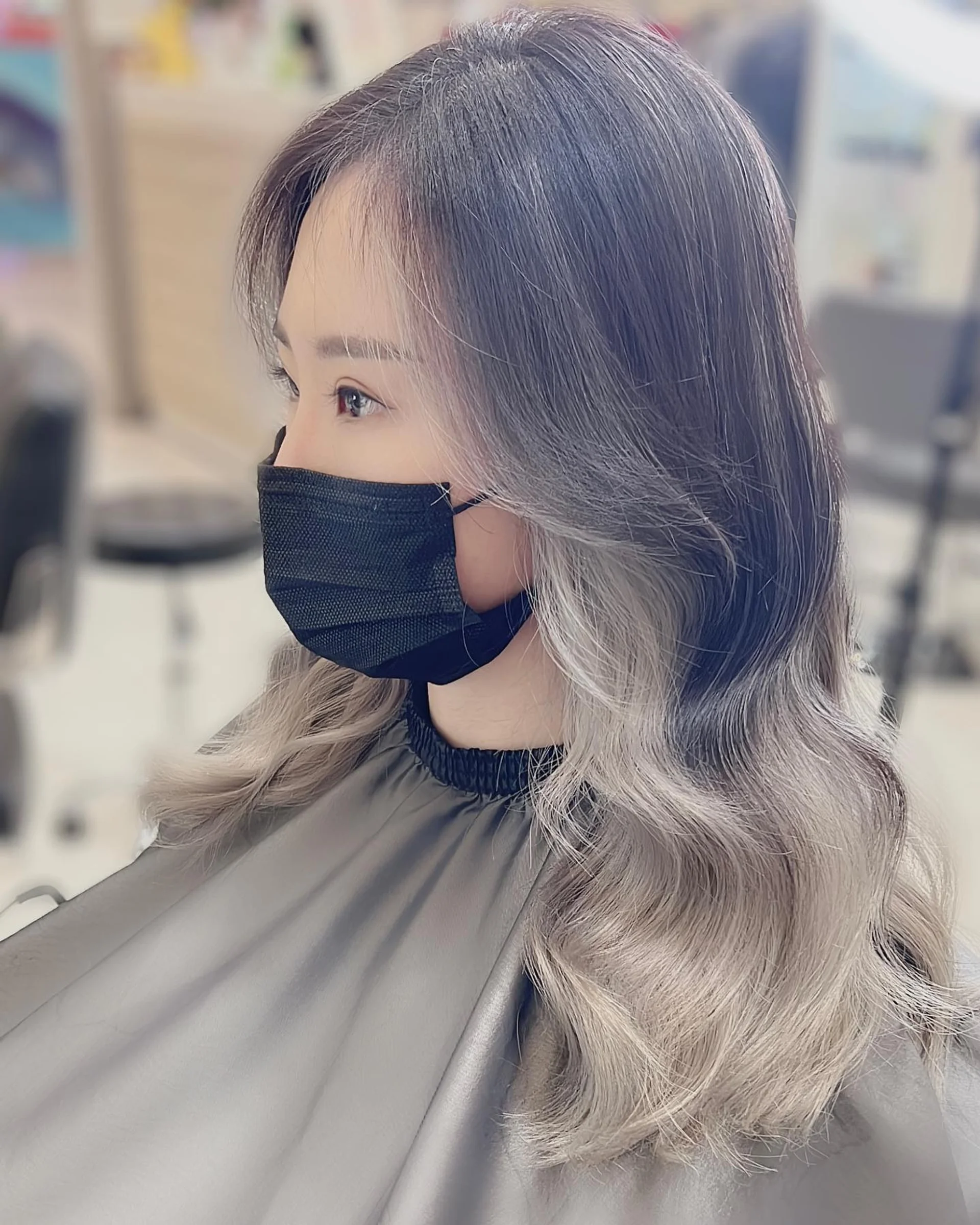
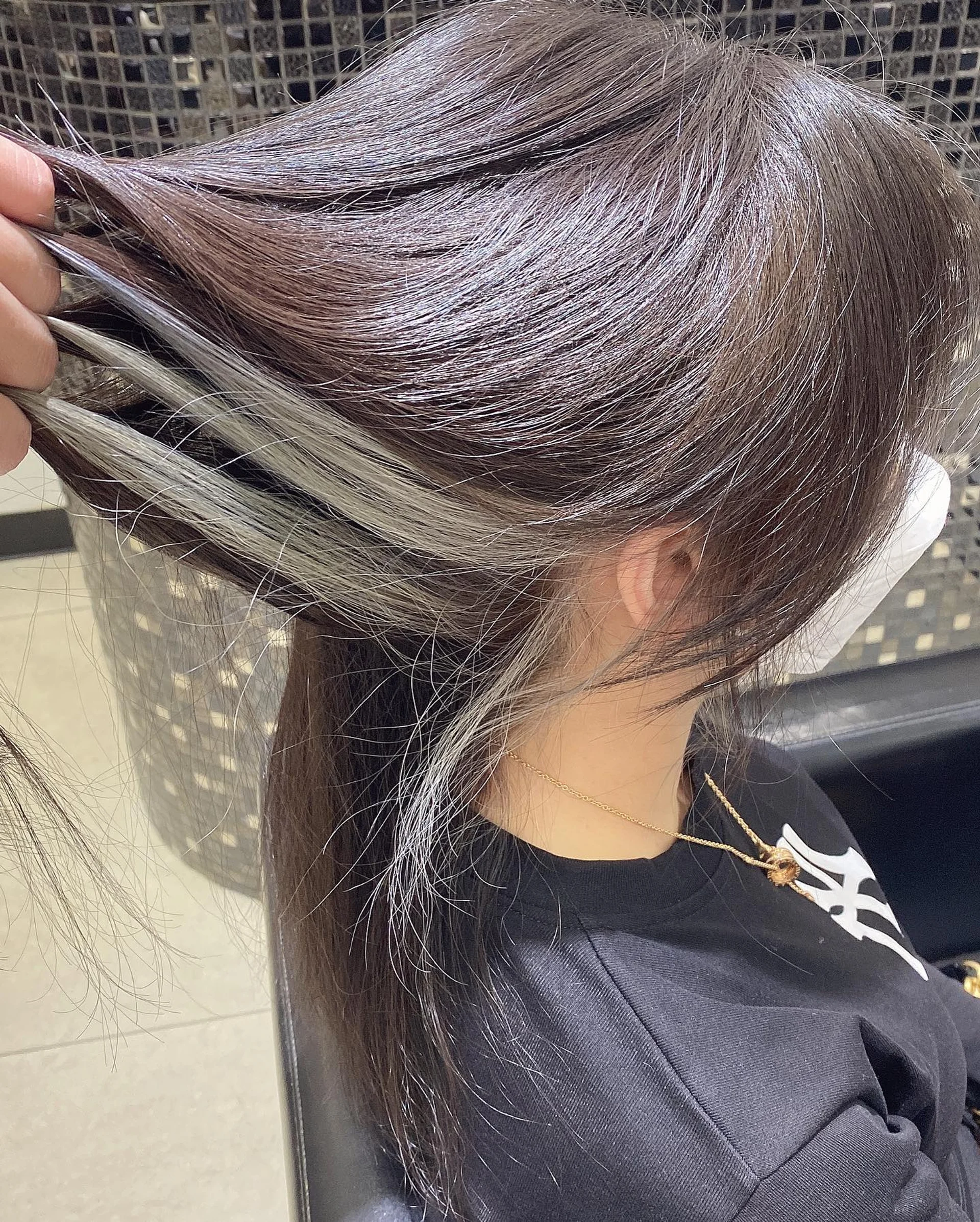
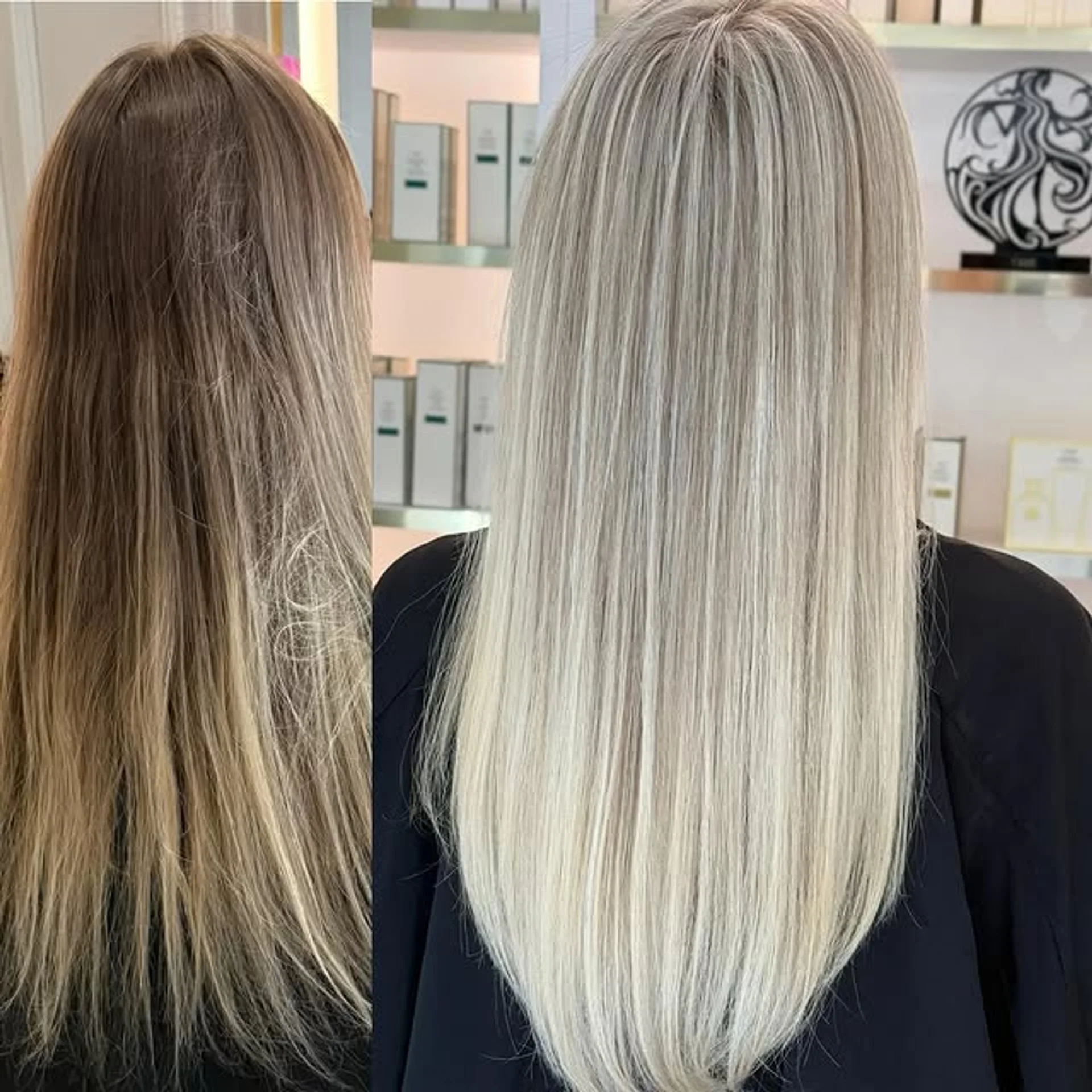
The Decision: Brightness vs. Blend
If you want a bright, illuminated look around your face but want to avoid the stark, highly contrasting "money piece" stripe, the solution lies in softly blended face-framing balayage. Rather than isolating a thick section of hair at the front hairline and lifting it dramatically lighter than the rest of the head, a stylist can paint finer ribbons of lightener that integrate naturally with your base color. The primary tradeoff to consider is time versus impact. A softer blend often requires meticulous application and additional toning techniques—such as a root smudge—to achieve a seamless transition. While it may not deliver the immediate graphic edge of a high-contrast color block, it offers a significantly more graceful grow-out phase and reduces the frequency of maintenance appointments.
Diffusing Lines with Shadow Roots and Smudges
The key to eliminating a chunky, blocky appearance at the hairline is softening the root area. Through techniques like shadow rooting or root smudging, stylists intentionally blur the line where the highlight begins. Instead of painting lightener directly up to the scalp, a color matching or closely resembling your natural base is tapped into the roots, melting downward into the blonde. This technique is ideal for clients prioritizing low maintenance, as it prevents a harsh line of demarcation from forming as the hair grows.


Tonal Harmony: Bronde and Warm Dimensions
Another effective way to avoid a disconnected money piece is to keep the highlight tone within a few levels of the base color. A "bronde" (brown-blonde) approach ensures the face-framing pieces belong to the overall color palette rather than fighting against it. By lifting the front sections only slightly lighter than the surrounding balayage, the result mimics natural sun-kissed contouring. This approach is highly versatile across different textures, enhancing the movement in curls and waves without creating jarring stripes.

Using Layers to Mechanically Diffuse Color
The architecture of your haircut directly dictates how your color falls and interacts. Combining balayage with curtain bangs, wispy fringe, or long face-framing layers naturally breaks up the painted pieces. As the shorter layers fan out around the cheekbones and jawline, they scatter the highlighted sections. This creates a cascade of brightness that moves fluidly with your hair, effectively preventing the color from sitting in a heavy, concentrated block at the front.
Compare portfolio photos and discuss your goals with a stylist.
Explore hairstyles

