
NYC HAIR GUIDE
How to Find a Razor-Cut Shag Stylist in Brooklyn
Learn to spot the soft, textured ends that define razor-cut layers and see how they compare to other shaggy styles.
Every image you see is a bookable style. Click any photo to view details and book an appointment with a stylist.
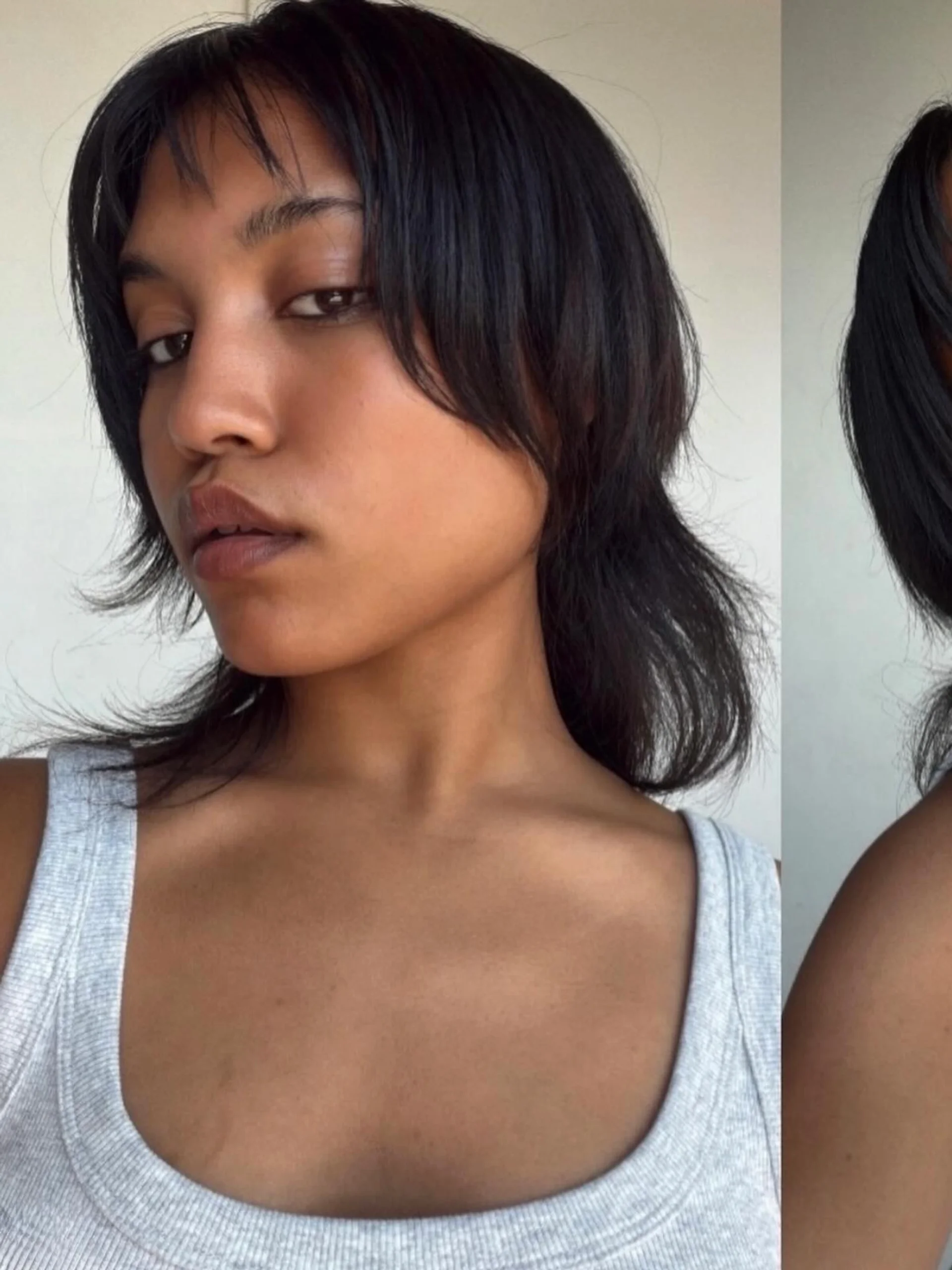

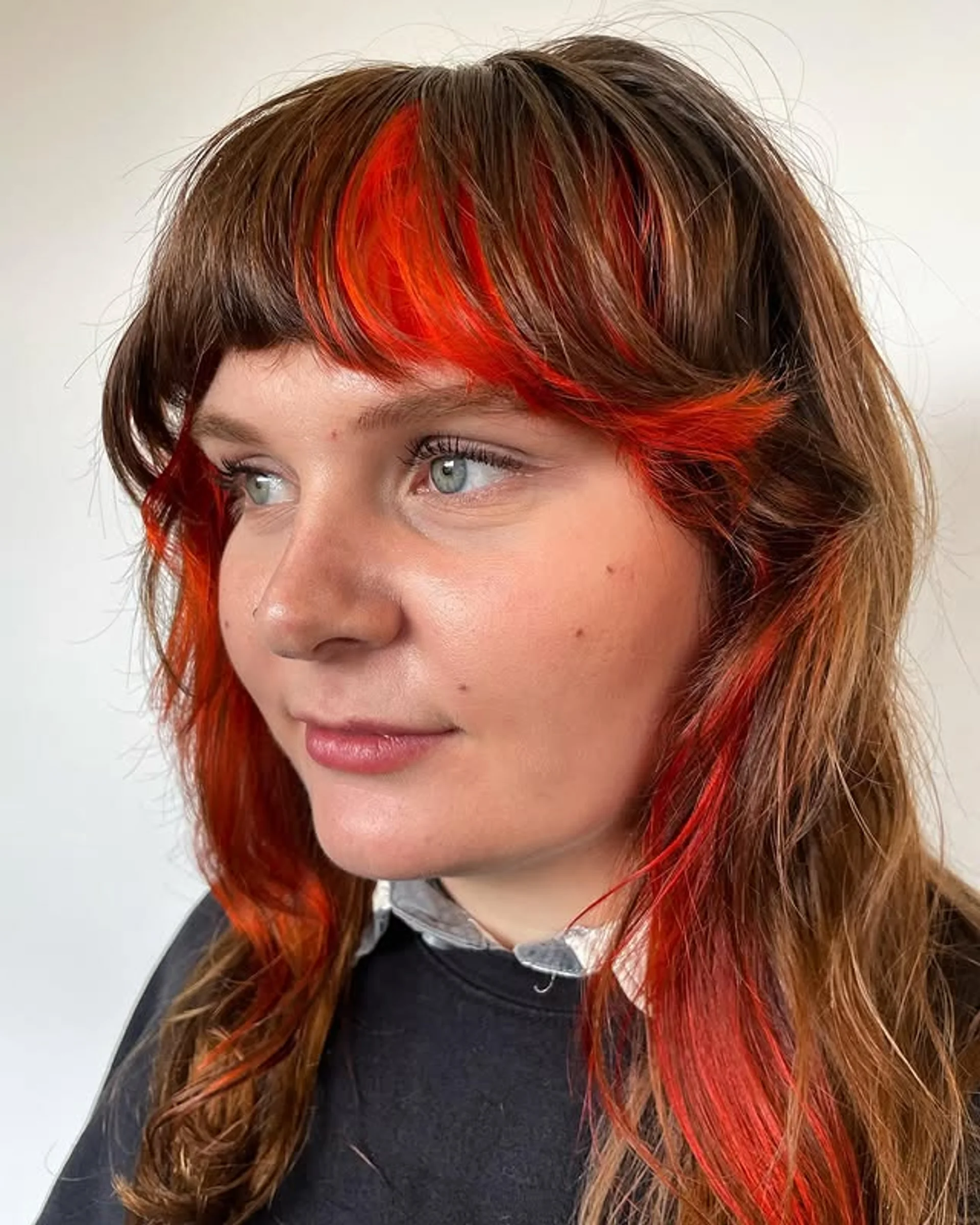
Finding a stylist for a razor-cut shag in Brooklyn means learning to identify the specific texture you want in portfolio photos. While many stylists create shags, the use of a razor creates uniquely soft, feathered ends that blend seamlessly. The main tradeoff is that this technique requires a skilled hand, as it can be unsuitable for certain delicate or highly processed hair types. To find the right fit, focus on stylists whose portfolios feature shags with wispy, tapered layers, and be prepared to discuss cutting tools during your consultation.
Soft, Textured Shags
Identifying the signature feathered ends that can be created with a razor.
A razor-cut shag, like the teal example shown, is defined by its soft, almost-diffused ends. The razor glides along the hair shaft to remove weight and create tapered layers that blend together, resulting in significant texture and movement without blunt lines. When looking at portfolios, search for descriptions that mention “wispy” or “textured” ends. The teal shag from Cutloose BK is the only example in the supplied records explicitly described as a razor cut, providing a clear reference for this specific finish.


💬What to Ask Your Stylist
- Are you comfortable using a razor to create soft texture and remove weight for a shag?
- Based on my hair type, would you recommend a razor or shears to achieve this kind of movement?
Best For:
- • Creating volume and movement
- • Softening heavy or dense hair
- • Achieving a blended, lived-in look
NYC Price Range:
Ask the salon for a current quote
Maintenance:
Shags require regular trims to maintain their shape, especially the fringe. Ask your stylist for a personalized maintenance plan.
Choppy & Disconnected Shags
A bolder alternative with more defined, piecey layers often cut with shears.
In contrast to the soft blend of a razor cut, a choppy shag features more distinct and separated layers. This technique creates a bolder, more graphic texture with noticeable steps and chunky pieces. This style is often achieved with shears to carve out specific shapes and can add an edgier feel to the classic shag silhouette. Look for terms like “choppy,” “disconnected,” or “tousled” in stylist portfolios to find examples of this finish.


💬What to Ask Your Stylist
- I like the visible separation in these layers. Would you use shears to create this look on my hair?
- How can we add texture to my shag without making the layers too soft or blended?
Best For:
- • Adding edgy texture
- • Creating a high-volume, modern look
- • Those who prefer a less-blended, more defined style
NYC Price Range:
Ask the salon for a current quote
Maintenance:
The grow-out can be less uniform than a blended cut; regular trims are needed to keep the shape intentional. Discuss a maintenance schedule with your stylist.
Curly & Wavy Shags
Layering that works with natural texture to build shape and volume.
For naturally curly or wavy hair, a shag can be transformative, creating a defined shape and liberating curls from excess weight. The focus is less on razor-versus-shear and more on how the stylist cuts to enhance the individual curl pattern, often using dry-cutting techniques. The layers are tailored to stack and fall in a way that encourages volume at the crown and definition throughout, preventing the triangular shape that can sometimes occur with one-length curly hair.


💬What to Ask Your Stylist
- How do you approach cutting a shag to enhance my natural curl pattern and avoid creating frizz?
- Will you be cutting my hair wet or dry to best create this shape?
Best For:
- • Enhancing natural curls and waves
- • Reducing bulk and adding movement
- • Creating a rounded, flattering silhouette
NYC Price Range:
Ask the salon for a current quote
Maintenance:
Curly shags grow out well but require trims to maintain the layer balance and prevent ends from losing their shape. Your stylist can recommend a timeline.
Shag-Mullet Hybrids
Exploring more dramatic shapes with shorter layers on top and length in the back.
The shag-mullet, or "shullet," combines the heavy layering of a shag through the crown and sides with the longer length of a mullet at the nape. This hybrid creates a distinctive, fashion-forward silhouette that can be adapted to straight, wavy, or curly hair. The key feature is the dramatic contrast between the short, textured top layers and the longer pieces in the back, offering more edge than a traditional shag.


💬What to Ask Your Stylist
- I'm interested in a shape that's shorter around the face and longer in the back. Would a shag, mullet, or hybrid work best for me?
- How much daily styling is required to maintain the separation between the short and long layers?
Best For:
- • An edgier, more pronounced silhouette
- • Strong textural contrast
- • Highlighting facial features with short, face-framing layers
NYC Price Range:
Ask the salon for a current quote
Maintenance:
This style's shape is its main feature, so trims are essential to keep the layers from growing into each other. Consult your stylist on an ideal schedule.
Consultation Tips for a Razor-Cut Shag
Bring photos of what you *don't* want.
Showing a stylist shags with blunt, heavy layers can be just as helpful as providing your inspiration photos. It clearly communicates that you're seeking the softer, more blended texture typical of a razor cut and helps avoid misinterpretation.
Use your consultation to talk about tools.
Don't hesitate to ask what tools a stylist prefers for creating texture. A great consultation is a conversation about technique, tools (like a straight razor versus shears), and how each choice will affect your specific hair type and desired outcome.
Before You Book
Look for soft, tapered ends in portfolios.
When searching for a razor-cut specialist, scan portfolios for layers that seem to melt into each other rather than appearing as distinct steps. Even if the description doesn't explicitly say 'razor,' this visual cue points toward a stylist skilled in creating soft texture.
Find examples with a similar hair type.
Pay attention to the starting hair texture in the photos. A razor-cut shag will look different on fine, straight hair versus thick, wavy hair. Finding examples similar to yours provides a more realistic preview and helps the stylist understand your hair's potential.
Compare portfolio photos and discuss your goals with a stylist.