EXPERT ADVICE
Growing Out a Pixie Gracefully: Tips from NYC Stylists for Every Stage
Explore these hairstyle portfolio references. Open a photo to view the style and available contact options.
The Death of the 'Awkward Phase'
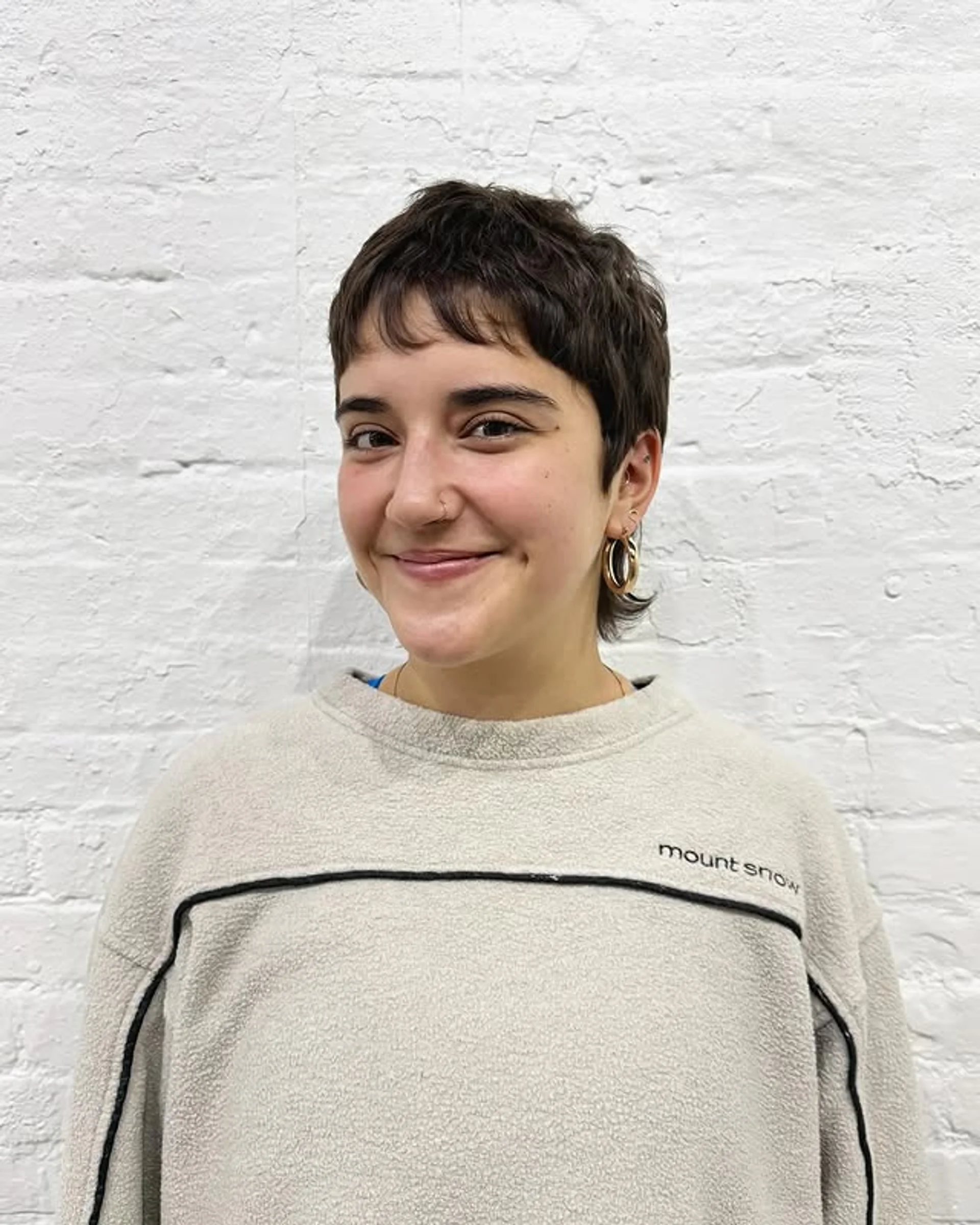
Growing out a pixie cut used to mean relying on bobby pins and beanies to survive the dreaded 'awkward phase.' But in 2026, the beauty industry's macro shift toward expressive maximalism has transformed the grow-out journey into a series of highly intentional, editorial style moments. Gone is the rigid 'clean girl' aesthetic; today, it’s all about expressive duality. Top NYC stylists are using innovative techniques like 'Ghost Layers'—an invisible internal scaffolding—to ensure that your hair can air-dry into a cool, grunge texture while still blowing out into Old Hollywood volume. With the right roadmap, every inch of growth becomes a celebrated design feature.
“We no longer fight the grow-out; we design for it. By leveraging biological glass hair treatments with PDRN and exosomes instead of heavy silicones, we keep the hair's integrity flawless as it transitions from a soft pixie into a baby mullet and beyond.”
Stage 1: Embracing the Mixie & Baby Mullet
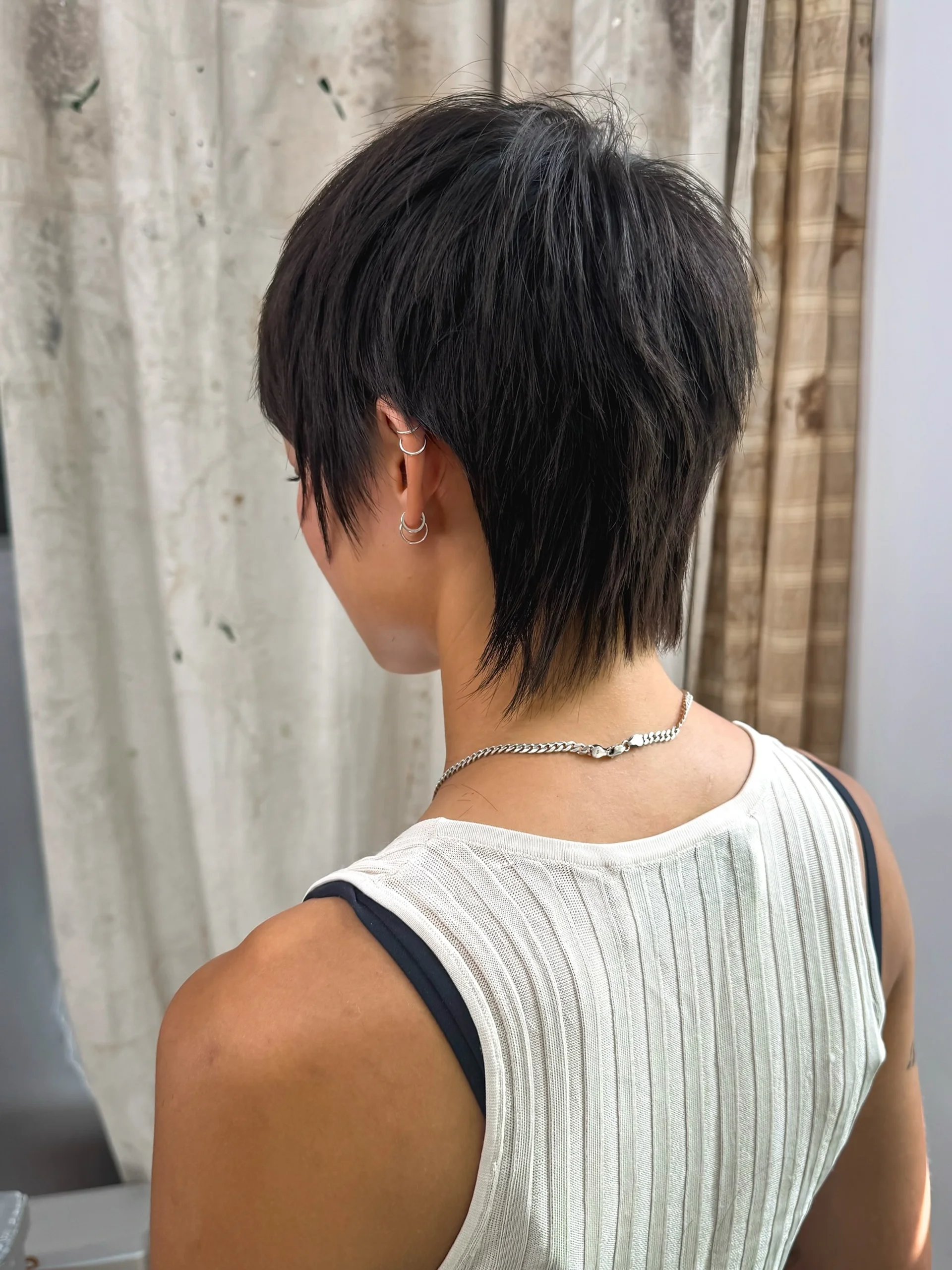
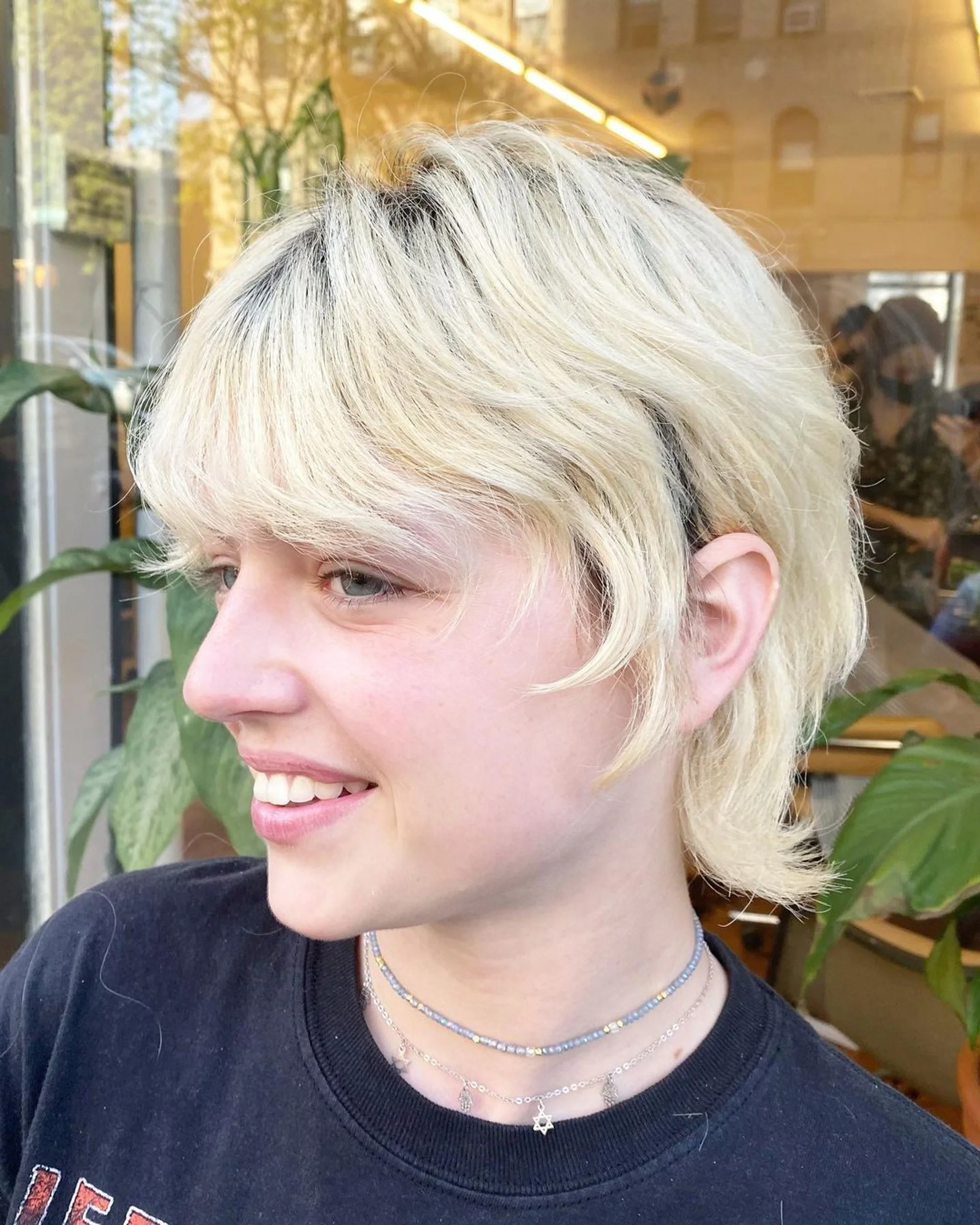
The first major hurdle in growing out a pixie is the nape. Because the hair at the base of your neck seems to grow exponentially faster than the crown, the silhouette naturally shifts into a mullet. Instead of constantly trimming the back to wait for the top, NYC stylists recommend leaning into the 'Mixie' (Pixie-Mullet) or Baby Mullet. By using shattered edges and dry texture powders (leaving heavy gels in the past), this stage offers a highly sought-after, rebellious texture. Think overgrown, textured wisps that perfectly frame the neck while the top layers catch up.
Ready to map out your grow-out journey? Discover your next transitional style.
Explore Transitional Cuts


