Growing Out a Pixie: What to Trim and What to Keep
How to navigate awkward lengths with stage-specific shape decisions instead of waiting out a universal grow-out timetable.
Every image you see is a bookable style. Click any photo to view details and book an appointment with a stylist.

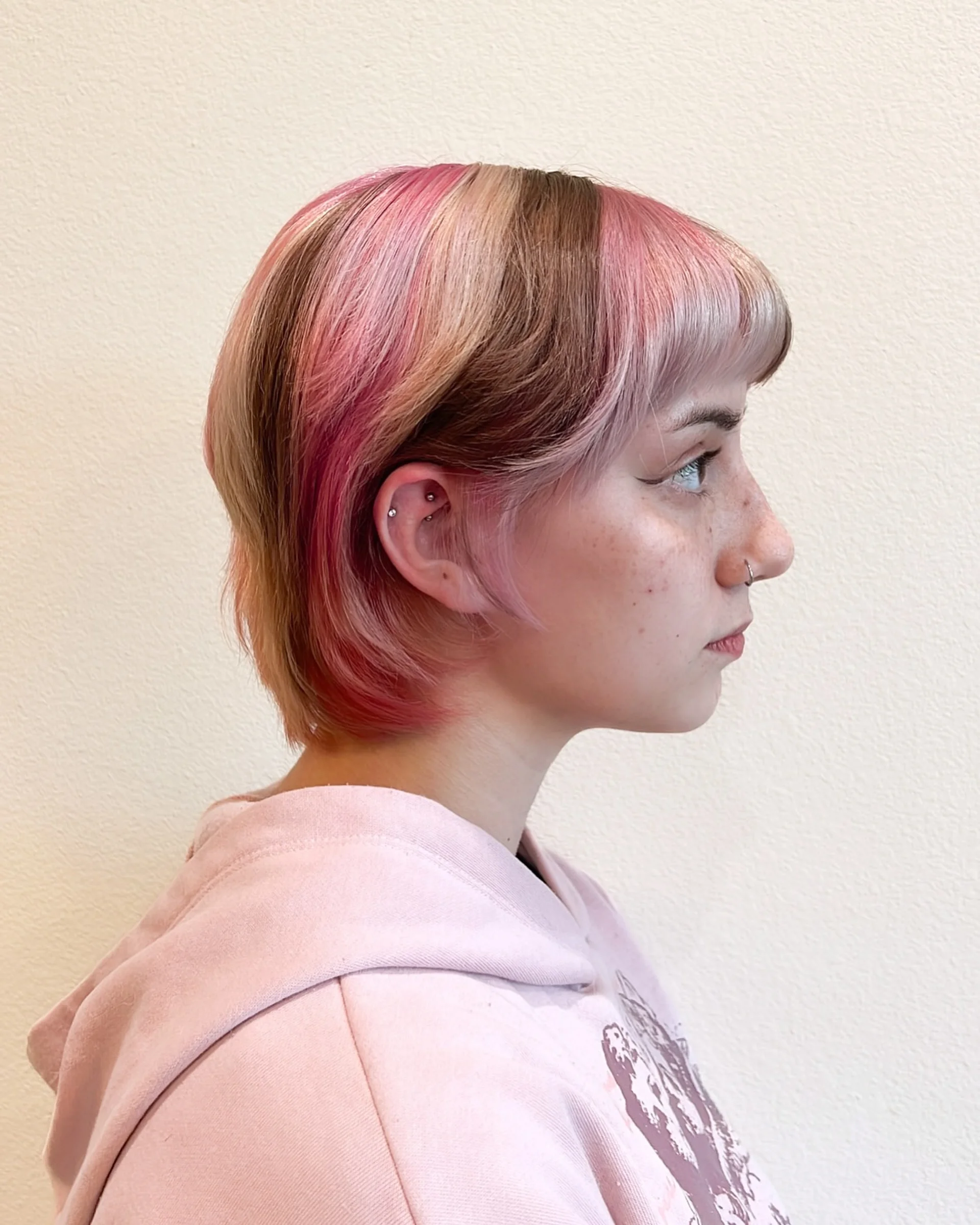
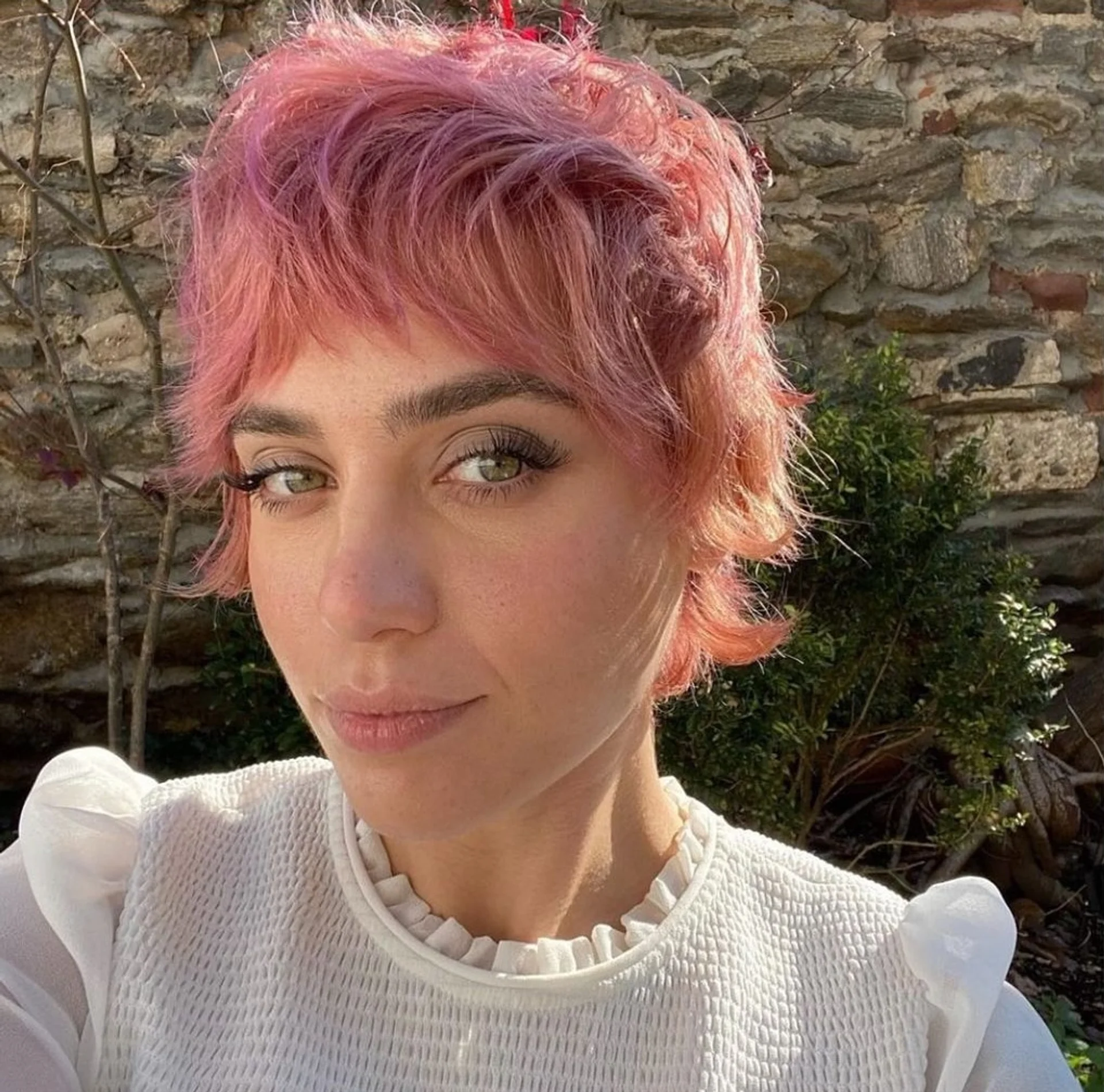
Deciding to grow out a pixie cut often comes with the fear of months spent in an awkward styling limbo. The key to a seamless transition is abandoning the idea of a universal grow-out timetable. Because hair grows at different rates and every pixie starts with a different baseline structure, letting the entire haircut grow untouched usually results in a heavy, disproportionate shape. Instead, the process is about strategic, stage-specific decisions: intentionally trimming certain areas while leaving others to gain length. By guiding the hair into distinct transitional styles—like a structured pixie bob or an intentionally disconnected shag—you can wear a deliberate, finished look at every stage of the grow-out process.
The Pixie Bob Transition
Trimming the nape to let the crown catch up
If your goal is a classic or textured bob, the most common hurdle is the hair at the nape of the neck growing faster than the layers on top. To avoid an unintentional mullet shape, the strategy here is frequent maintenance trims exclusively along the back hairline. By keeping the nape closely cropped, you allow the top, crown, and sides the time they need to reach the ears and jawline. Once the top layers align with the bottom, the entire shape can grow out evenly.


💬What to Ask Your Stylist
- Should we keep the nape tapered or buzzed while the top layers grow out?
- How long do you estimate the top layers will take to reach my cheekbones?
Best For:
- • Those aiming for a classic, round, or A-line bob who want a neat, structured silhouette during the transition.
NYC Price Range:
Ask the salon for a current quote
Maintenance:
Requires frequent micro-trims (often every 4-6 weeks) strictly at the back of the neck to maintain a clean baseline while the rest grows.
The Pixie Mullet and Shag
Embracing the length at the back
For a more alternative, textured grow-out journey, you can take the opposite approach: let the back grow freely while shaping the top. By trimming and texturizing the crown and sides, you create an intentional mullet or mini-shag. This effectively turns the 'awkward' uneven lengths into the core feature of the style. Choppy fringe and heavily layered tops remove weight, allowing the longer pieces at the back to flow naturally.


💬What to Ask Your Stylist
- How can we texturize the top so it blends better with the longer pieces in the back?
- Would a disconnected fringe enhance this shaggy shape?
Best For:
- • Individuals who prefer an edgy, undone aesthetic and don't mind uneven lengths around the ears and neck.
NYC Price Range:
Ask the salon for a current quote
Maintenance:
Ask the stylist for a personalized maintenance plan. Generally requires fewer length trims, focusing mainly on re-texturizing the heavy top sections.
Maximizing Texture to Blend Lengths
Using waves and curls to hide transition stages
Pin-straight hair can dramatically highlight uneven layers during a grow-out phase. Introducing or enhancing texture—whether through natural curls, waves, or styling techniques—helps disguise disparate lengths. Choppy, piecey layers create movement that breaks up harsh lines where the old pixie cut is trying to meet the new growth. The result is a slightly messy, lived-in aesthetic that looks intentional rather than transitional.


💬What to Ask Your Stylist
- Should we use point-cutting to soften the heavy transition lines in my hair?
- Can we shape these layers to better support my natural wave pattern?
Best For:
- • Hair with natural waves or curls, or those willing to utilize styling products to create piecey, separated texture.
NYC Price Range:
Ask the salon for a current quote
Maintenance:
Explain the daily routine and ask the stylist for a personalized maintenance plan. Often relies on air-drying with texturizing products rather than heat-styling.
Consultation tips
Define your end goal first
Telling your stylist whether you eventually want a sleek bob, a textured shag, or shoulder-length hair completely changes which sections they will trim and which they will leave alone today.
Distinguish between 'growth trims' and 'shape trims'
Clarify that you want to shape the hair for its current stage without taking off necessary length, ensuring the stylist knows you are actively growing it out.
Before you book
Compare relevant portfolio photos
Choose references with a similar starting texture and explain the intended change.
Commit to a transitional style
Look for photos of the in-between stages (like pixie bobs or mini shags) to find a silhouette you actually want to wear for the next few months.
Compare portfolio photos and discuss your goals with a stylist.