HAIRCUT & COLOR GUIDE
How to Choose Curtain-Bang Length Before the First Cut
Decide how your fringe will fall by considering your parting, glasses, cowlicks, and ponytail habits.
Every image you see is a bookable style. Click any photo to view details and book an appointment with a stylist.


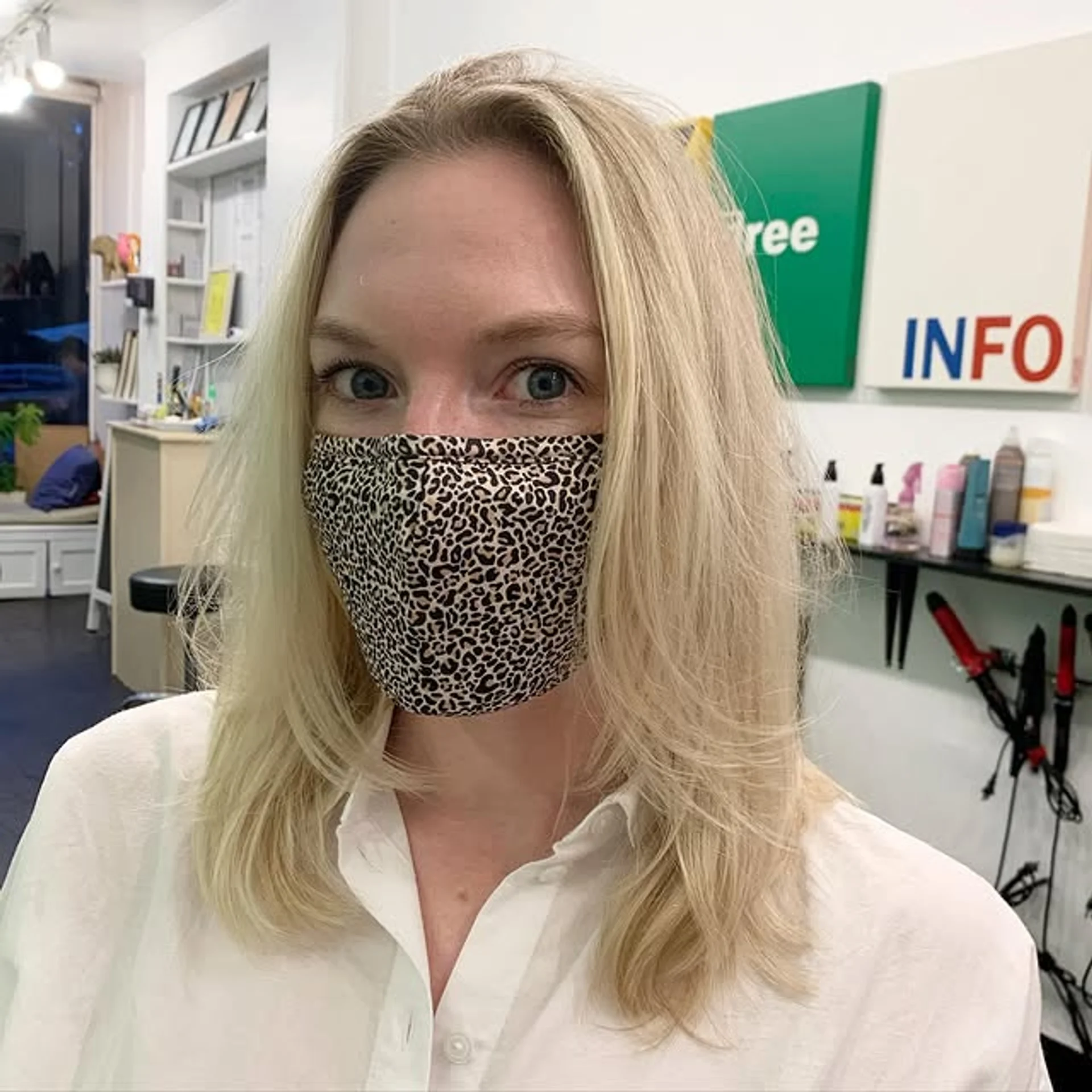
Curtain bangs are a versatile way to add movement around the face, but finding the right starting length is a highly individual decision. The primary tradeoff lies in styling commitment versus impact: shorter bangs frame the eyes beautifully but demand more daily management, while longer pieces offer lower maintenance at the cost of a less pronounced "bang" effect. Before making the first cut, it is essential to consider mechanical factors like how your hair shrinks when dry, whether the ends will brush against your glasses, and how the layers will behave when you tie your hair back.
The Cheekbone Sweep and Dry Shrinkage
Accounting for glasses and natural bounce
Hair shrinks as it dries, especially if there is a natural wave. A curtain bang cut to the cheekbones while wet may bounce up to the eye line once completely dry. This is a critical factor if you wear glasses daily; fringe that sits too low can constantly brush against the top of your frames, creating an irritating distraction. Shorter curtain bangs offer a prominent, eye-framing look but require a precise assessment of the final, dry length.


💬What to Ask Your Stylist
- Where will these shortest layers sit once my hair is completely dry?
Best For:
- • Those who want prominent eye-framing layers and are comfortable styling the front pieces daily.
NYC Price Range:
Ask the salon for a current quote
Maintenance:
Shorter bangs generally require more frequent trims to stay out of the eyes. Ask your stylist for a personalized maintenance schedule based on your growth rate.
The Jawline Drape
Planning for ponytails and updos
If you frequently wear your hair pulled back for work or exercise, a longer curtain bang offers flexibility. When the shortest face-framing pieces fall near the jaw or chin, they can either easily tuck behind your ears or drape smoothly down the sides of the face when the rest of the hair is tied back. Shorter layers, by contrast, may stick straight out or require pins to keep them secure.


💬What to Ask Your Stylist
- What is the shortest length that will still comfortably tuck behind my ear?
Best For:
- • Active lifestyles, regular ponytail wearers, or anyone who prefers a low-maintenance morning routine.
NYC Price Range:
Ask the salon for a current quote
Maintenance:
Longer layers grow out seamlessly and require fewer touch-ups. Discuss with your stylist how often to reshape the face-framing sections.
Navigating Partings and Cowlicks
Working with your natural growth patterns
A rigid natural parting or a strong cowlick at the front hairline will largely dictate how your curtain bangs separate and sit. While traditional curtain bangs rely on a center part to distribute hair evenly on both sides, a strong side cowlick might cause the fringe to split unevenly or lay flat. Before cutting, a stylist must analyze your growth patterns to adjust the weight and placement of the cut so the layers integrate smoothly without awkward splitting.


💬What to Ask Your Stylist
- How will my natural parting and cowlicks affect the way this fringe lays?
Best For:
- • Hair that has strong natural growth patterns at the hairline or prominent front cowlicks.
NYC Price Range:
Ask the salon for a current quote
Maintenance:
Styling against a natural cowlick takes extra effort; ask your stylist for a personalized blowout or styling tutorial to train the parting.
Consultation tips
Wear your glasses to the consultation.
This allows the stylist to see exactly where the frames sit on your face and measure the ideal dry length to avoid constant friction.
Show up with your hair parted naturally.
Arriving with your hair styled in its usual parting helps the stylist identify cowlicks and natural splits before cutting any length.
Before you book
Compare relevant portfolio photos
Choose references with a similar starting texture to yours, and point out the specific length of the shortest front pieces you are drawn to.
Discuss your daily routine
Be honest about whether you are willing to use a round brush or rollers every morning, or if you need a wash-and-go shape.
Compare portfolio photos and discuss your goals with a stylist.