
HAIR COLOR CONSULTATION
How to Discuss Gray Blending Without Committing to Full Coverage
Explore options for natural placement, lower contrast, and easier grow-outs.
Every image you see is a bookable style. Click any photo to view details and book an appointment with a stylist.

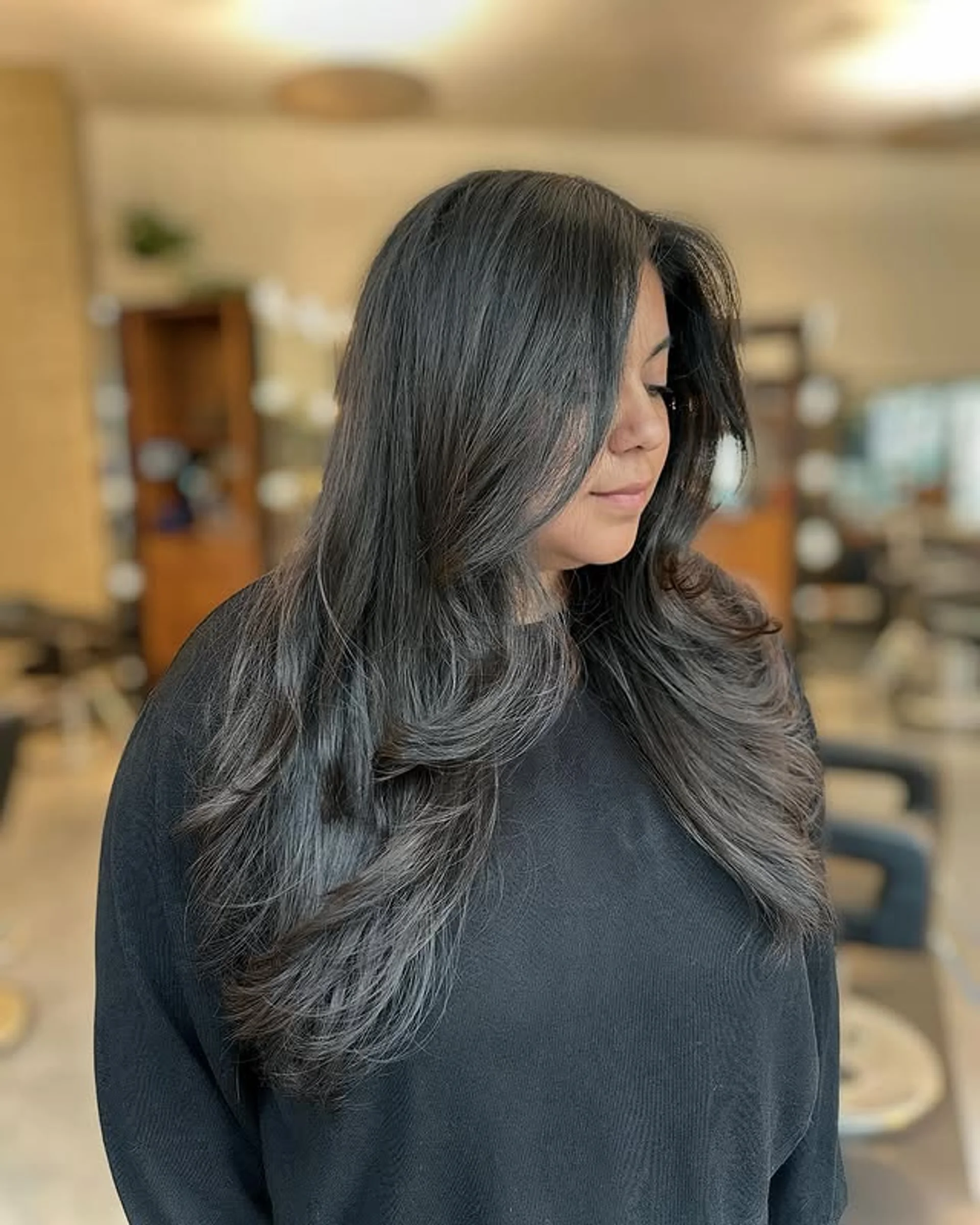
Choosing how to handle silver growth doesn't mean you must commit to opaque, high-maintenance root touch-ups every four to six weeks. Gray blending is about strategy—working with your natural unpigmented hair to reduce the contrast between the grays and your darker base. By trading a solid blanket of color for dimensional techniques, your roots will grow out with a much softer demarcation line. Discussing your desired contrast level and maintenance threshold with a stylist helps determine if you need a few strategic highlights, a sheer gloss, or a dimensional balayage.
Defining Gray Blending
Reducing contrast instead of masking it entirely.
Unlike traditional permanent color that creates a solid block of pigment, blending techniques use sheerer color formulations, lowlights, or well-placed dimension to soften the transition. This allows the natural salt-and-pepper pattern to peek through, drastically reducing the harsh band of regrowth that typically appears after a few weeks.


Consultation tips
Bring photos of your exact root pattern when it's grown out.
This allows the colorist to see where your natural white or silver hair falls most heavily, ensuring they place highlights or blending techniques in the most effective spots.
Be honest about your salon visit frequency.
If you want to stretch visits to three or four months, your stylist must know this so they can choose a softer, sheerer blending option rather than anything that risks a hard demarcation line.
Before you book
Identify your existing color history
If you have layers of old permanent dye, tell the salon when booking. Transitioning to a blended look from full coverage often requires a color correction time block.
Compare relevant portfolio photos
Choose references with a similar natural texture and contrast level to yours, and point out specifically what you like about how the roots meet the lengths.
Compare portfolio photos and discuss your goals with a stylist.


