How to Plan a Haircut Around Glasses and Headphones
Factor in side length, fringe placement, and everyday comfort before you sit in the salon chair.
Every image you see is a bookable style. Click any photo to view details and book an appointment with a stylist.
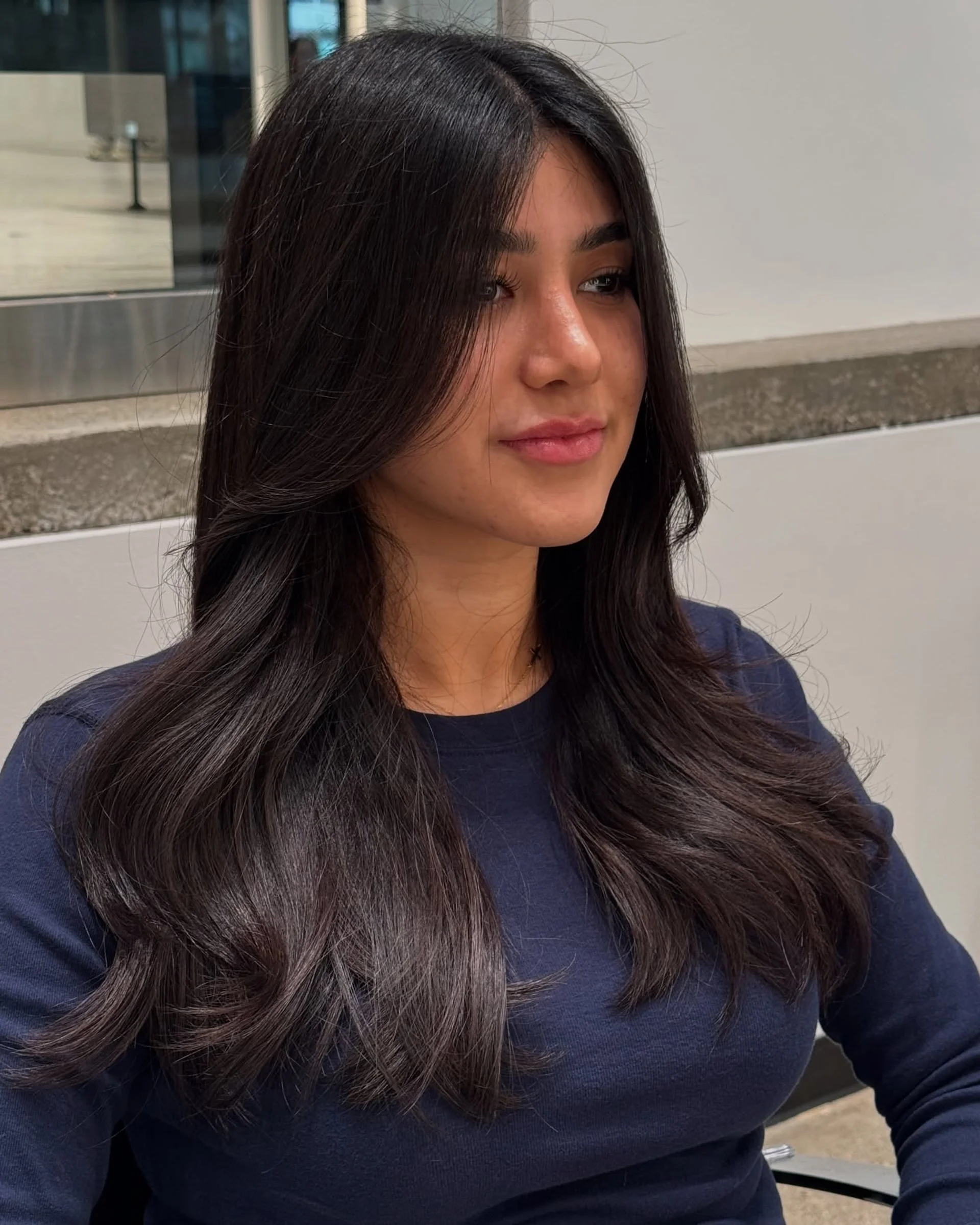

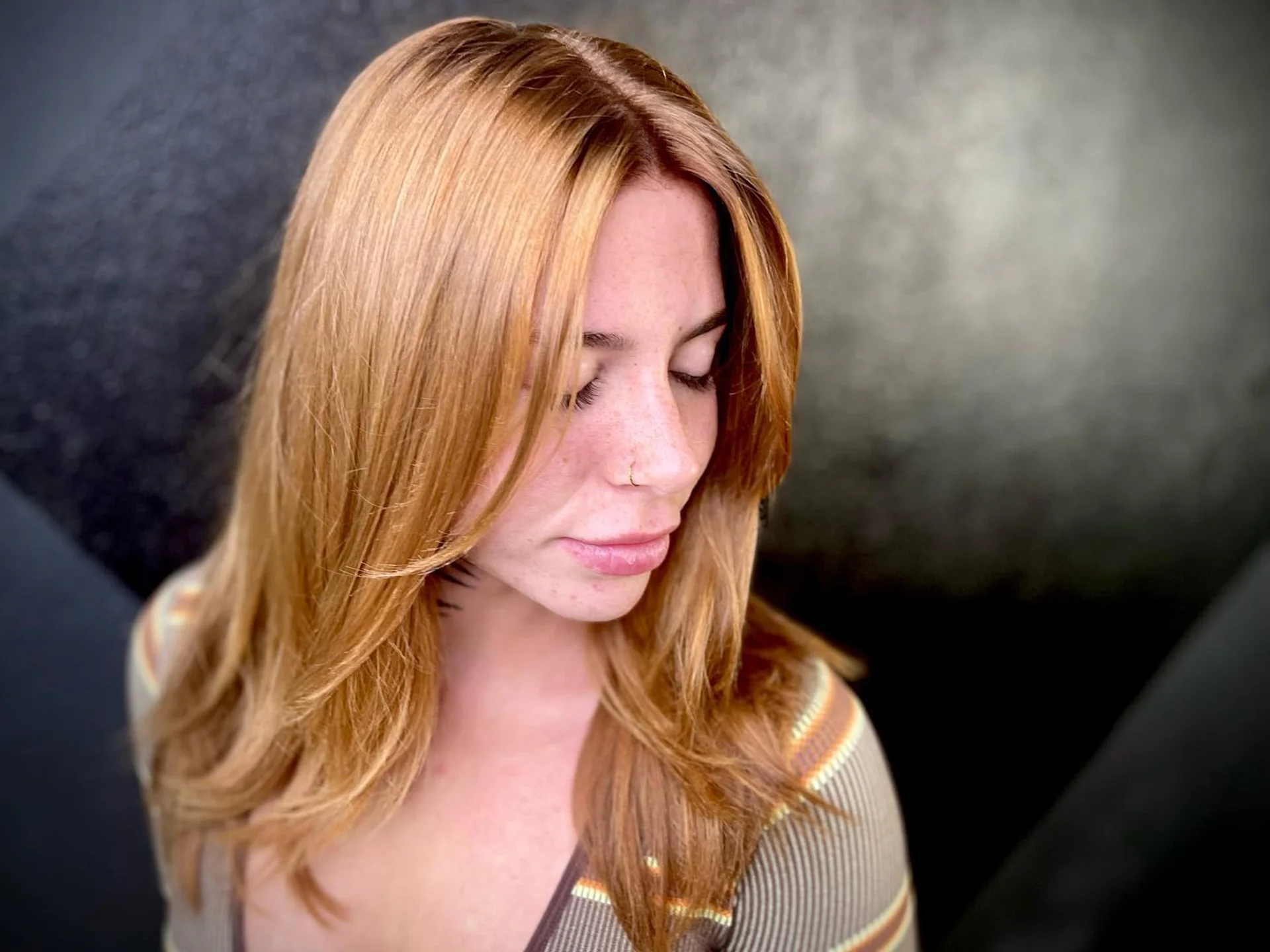
Everyday accessories like thick eyeglasses and over-ear headphones physically interact with your hair, often changing how a cut sits. Glasses resting on the bridge of your nose and behind your ears can cause bangs to bend awkwardly or side layers to flare out. Similarly, heavy headphone pads press against the sides of the head, which can flatten fresh volume or leave a horizontal dent in your styling. When deciding on a new look, discussing how you wear these accessories helps your stylist adjust bulk, side length, and fringe placement for maximum comfort and style retention.
Sweeping Fringe to Clear Eyeglass Frames
Avoid the clash between bangs and lenses.
Blunt, straight-across bangs often hit the top of eyeglass frames, causing the hair to poke your eyes or bend awkwardly outward. A parted, sweeping style like curtain bangs directs hair away from the center of the face, softly draping around the cheekbones and bypassing the frames entirely. This keeps your field of vision clear and prevents your glasses from ruining your styling.


💬What to Ask Your Stylist
- Where should the shortest piece of the fringe sit relative to my specific glasses frames?
Best For:
- • People who wear daily glasses but still want face-framing fringe.
NYC Price Range:
Ask the salon for a current quote
Maintenance:
Requires regular trims to prevent the bangs from growing too long and interfering with your lenses; ask your stylist for a personalized fringe maintenance plan.
Short Clean Sides for Over-Ear Comfort
Eliminate bulk where earpieces and headphone pads sit.
For shorter hairstyles, excess bulk around the ears is the enemy of comfortable accessories. The arms of your glasses and the tight pads of over-ear headphones will compress the hair, causing it to stick out uncomfortably above or behind the ears. A close-cropped side keeps this zone entirely clear, focusing the texture and volume on top of the head where headphones won't flatten it.


💬What to Ask Your Stylist
- Can we take the sides short enough to prevent hair from bunching behind my ears when I put my glasses on?
Best For:
- • Short hair wearers who use tight over-ear headphones or thick-framed glasses daily.
NYC Price Range:
Ask the salon for a current quote
Maintenance:
Short sides grow out quickly and may start pressing against glasses arms within weeks; ask your stylist for a personalized taper maintenance plan.
Versatile Long Layers for Tying Back
Avoid the dreaded headphone dent.
If you wear your hair long, heavy headphones clamping down on a fresh blowout will often leave a distinct, flat horizontal band across your style. Long, flowing layers allow you to neatly gather your hair into a low ponytail or clip below the headphone band, preserving the style's integrity. When you take the headphones off and shake your hair out, the layered structure retains its natural movement.


💬What to Ask Your Stylist
- Will these face-framing pieces be long enough to tuck securely behind my ears or tie back when I need them out of the way?
Best For:
- • Long hair wearers who need to quickly secure their hair during focused work or gaming sessions.
NYC Price Range:
Ask the salon for a current quote
Maintenance:
Usually grows out gracefully without interfering with accessories; ask your stylist for a personalized trimming schedule.
Consultation tips
Wear your glasses to the appointment.
This allows your stylist to physically see where the frames sit on your nose and ears, letting them map out exactly where your bangs or side layers should fall to prevent interference.
Mention your daily headphone habits.
If you wear over-ear headphones for hours at work, your stylist can adjust the weight distribution of the cut to ensure it doesn't look completely flat when you take them off.
Before you book
Compare relevant portfolio photos
Choose references with a similar starting texture and explain the intended change, noting exactly how you plan to wear your accessories.
Compare portfolio photos and discuss your daily styling goals with a professional.