SALON CONSULTATION GUIDE
How to Show a Stylist Haircut Photos That Actually Help
Stop guessing what went wrong—learn to compare front, side, and back references while matching your natural hair texture and density.
Every image you see is a bookable style. Click any photo to view details and book an appointment with a stylist.
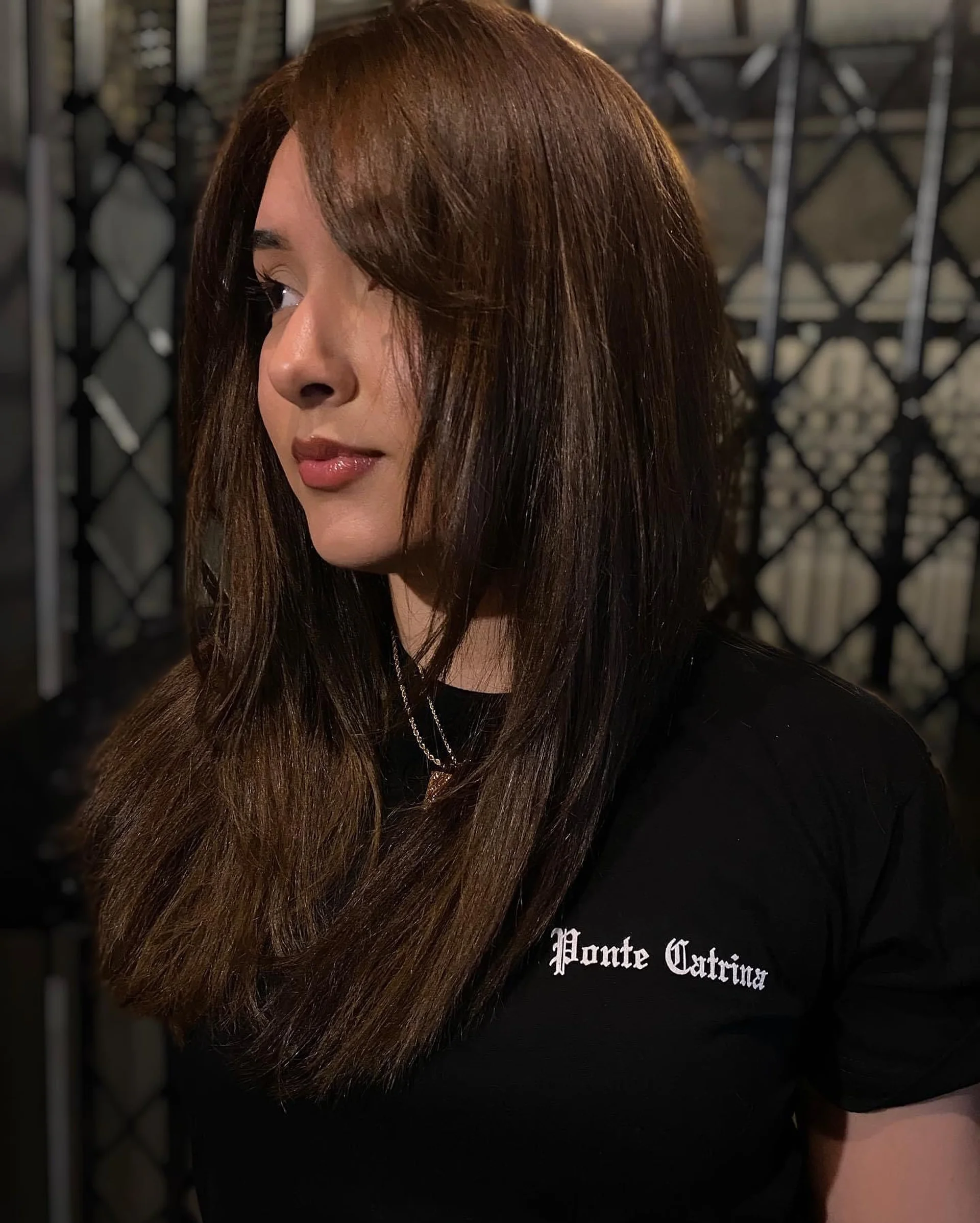

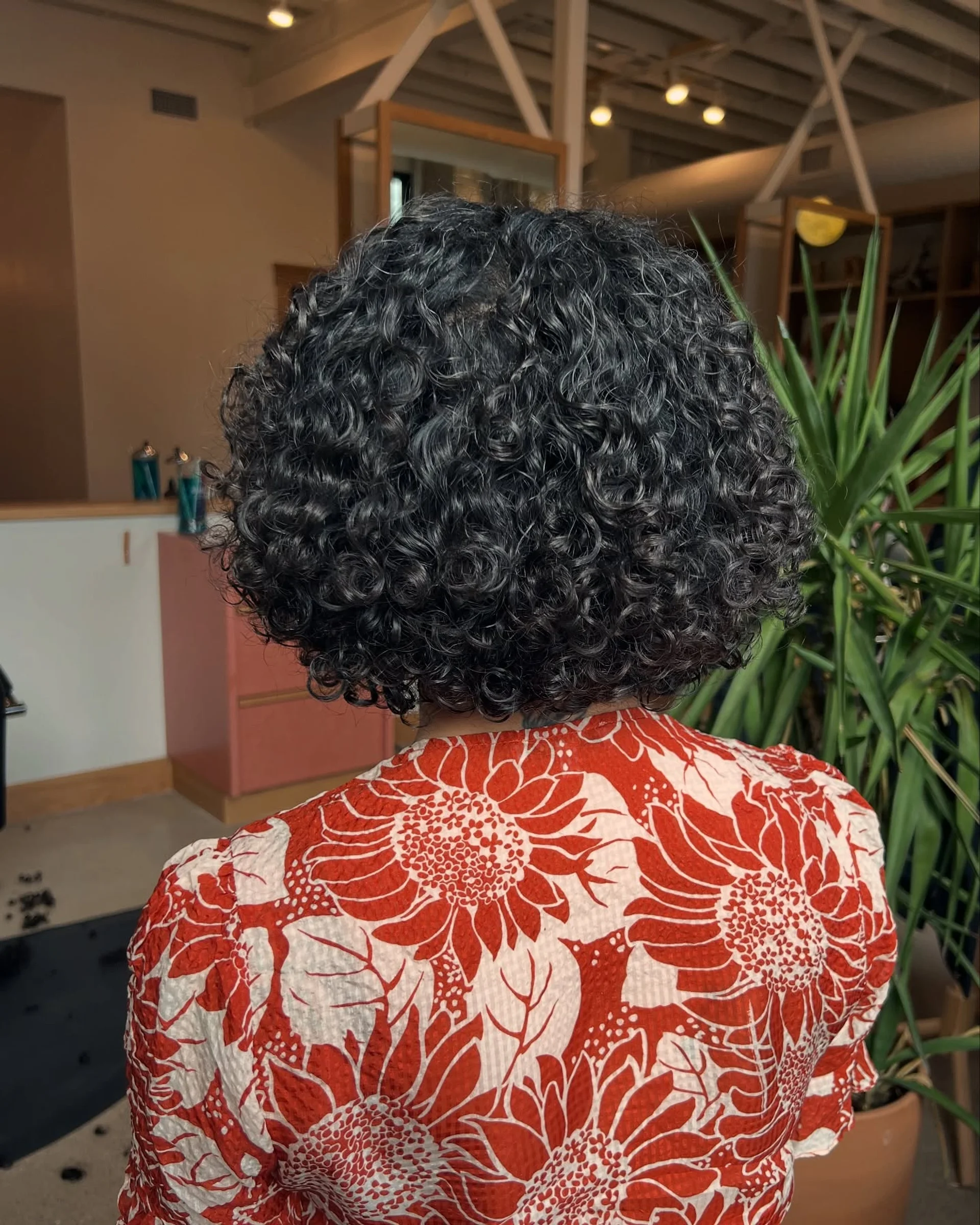
You carefully saved a photo, showed it to your stylist, and somehow still left the salon with a completely different haircut. The most common culprit? A disconnect between the reference photo and your natural hair. A haircut only creates the framework; your hair's starting texture, density, and thickness dictate how that shape actually sits. Additionally, bringing a single photo of the back of someone's head leaves the most important part—the front—up to interpretation. To get a result you love, you need references that highlight specific angles, align with your hair type, and separate the actual scissor work from temporary heat styling.
Match Your Natural Texture and Density
Look for models with hair that behaves like yours.
The biggest mistake in a salon consultation is showing a photo of thick, naturally curly hair when your strands are fine and straight, or vice versa. A haircut cannot change your fundamental hair fabric. When hunting for inspiration, specifically seek out examples where the model's natural volume and root texture closely mirror your own. This sets a realistic foundation for how the finished cut will rest when air-dried.


💬What to Ask Your Stylist
- Does the model in this photo share my natural density and texture, or will I be fighting my hair's natural behavior to recreate this shape?
Best For:
- • Setting realistic expectations
- • Finding wash-and-go styles that work without heavy manipulation
NYC Price Range:
Ask the salon for a current quote
Maintenance:
Choosing a shape that aligns with your natural texture significantly reduces daily effort. Ask your stylist for a personalized maintenance plan based on your unique density.
Focus on the Front and Face-Framing Angles
The front is what you see in the mirror every day.
Many clients arrive with a beautiful Pinterest shot of the back of a haircut, but the most crucial part of your daily look is how the hair interacts with your face shape. Whether you are aiming for sweeping curtain bangs, a heavy fringe, or subtle chin-length pieces, you must provide references that clearly show the front angle. This helps your stylist determine exactly where the shortest layers should begin.


💬What to Ask Your Stylist
- If we cut these specific front layers, where will they naturally fall when I tie my hair up or tuck it behind my ears?
Best For:
- • Communicating bang length
- • Customizing pieces that frame your jawline or cheekbones
NYC Price Range:
Ask the salon for a current quote
Maintenance:
Face-framing pieces typically require more frequent bang trims. Ask your stylist for a personalized maintenance plan to keep the front looking fresh.
Define Silhouettes with Side and Back Profiles
Show how you want the length and volume distributed.
While the front defines your face, the side and back angles define the haircut's overall weight and silhouette. A blunt, heavy perimeter looks completely different from shattered, heavily texturized ends. Showing a clear profile or back view helps your stylist understand exactly where the weight line should sit and how far up the layering should travel.


💬What to Ask Your Stylist
- Do the ends in this photo look blunt or textured? Which approach works best for my hair's natural thickness?
Best For:
- • Determining if you need a blunt or shattered perimeter
- • Communicating graduation or stacked layers in bobs
NYC Price Range:
Ask the salon for a current quote
Maintenance:
Shattered or texturized ends may need different care than crisp blunt cuts. Ask the stylist for a personalized maintenance plan.
Separate the Haircut from the Styling
Are you pointing to scissors or a round brush?
It is easy to fall in love with an image because of a bouncy salon blowout or carefully ironed beach waves, rather than the structural haircut itself. Point out exactly what catches your eye in the photo. If you love the volume, discuss whether that lift comes from the specific layering technique or if it requires a 20-minute daily heat styling routine to achieve.


💬What to Ask Your Stylist
- How much daily heat styling is required to make my hair look like the texture shown in this reference photo?
Best For:
- • Avoiding styles that demand more time than you want to spend
- • Understanding the difference between layer movement and iron waves
NYC Price Range:
Ask the salon for a current quote
Maintenance:
Styling demands vary wildly based on the cut. Discuss your current routine and ask the stylist for a personalized maintenance plan.
Consultation tips
Bring multiple photos, but edit them down
Having 3 to 4 strong photos is much more helpful than a board of 50. Pick one for the front layers, one for the overall length, and one for the texture you love.
Point specifically to what you like (and dislike)
Saying 'I love where these bangs hit her cheekbone, but I dislike how choppy the ends look' gives the stylist precise boundaries for the cut.
Before you book
Analyze your own hair first
Determine if your hair is fine, thick, straight, or curly before you start searching for inspiration photos.
Gather a 360-degree view
Try to find front, side, and back profiles of the shape you want, keeping your starting texture and density in mind.
Book a consultation
Discuss your photos and your daily styling routine with a professional to ensure the goal is achievable without daily frustration.
Compare portfolio photos and discuss your goals with a stylist.