Los Angeles HAIR GUIDE
Los Angeles Haircuts for Thick Hair Without Thin Ends
How controlled layers and perimeter weight create shape and volume without sacrificing fullness.
Every image you see is a bookable style. Click any photo to view details and book an appointment with a stylist.
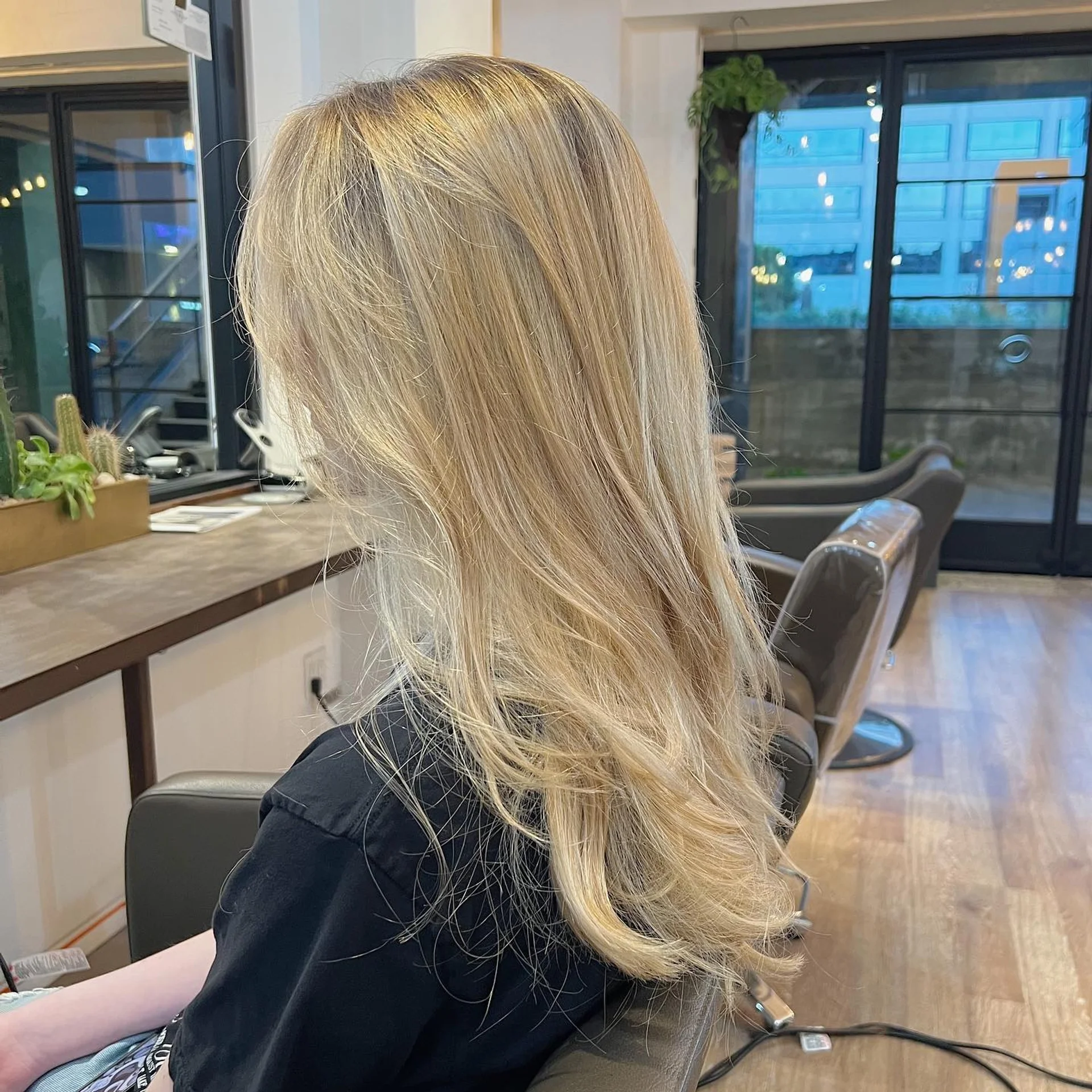

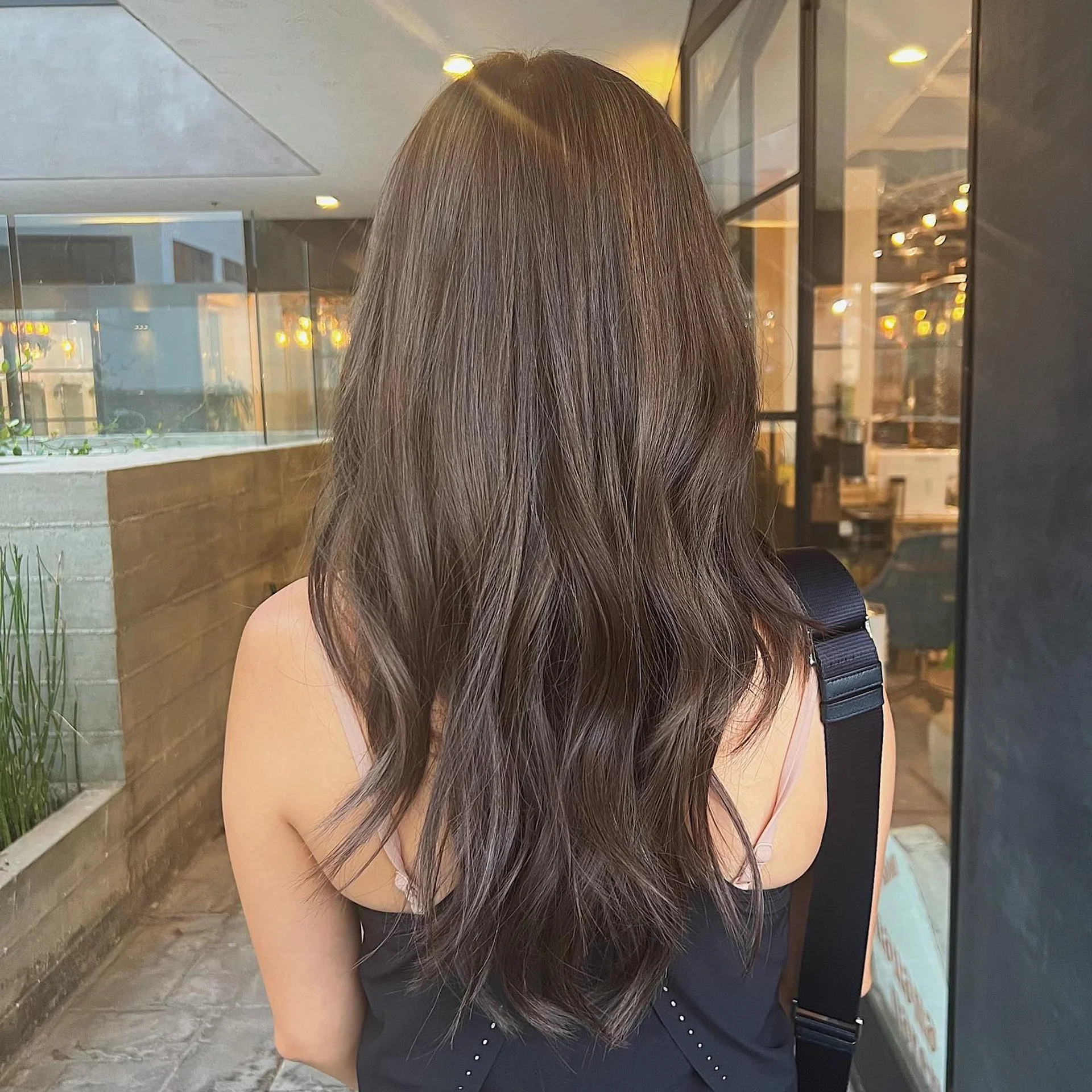
If you have thick hair, you know the challenge: you want layers to remove bulk and add movement, but you fear ending up with stringy, transparent ends. The solution is a strategic haircut that focuses on controlled layering while preserving a strong perimeter. The main tradeoff is always between removing internal weight for shape and maintaining density at the ends for a full look. Communicating this goal to your stylist is key.
Long Layers for Strategic Weight Removal
This approach creates movement and shape in the mid-lengths while keeping the baseline of your hair looking solid and full.
Long, blended layers are ideal for thick hair. They work by removing weight from the interior of the haircut, which prevents the triangular shape that can happen with one-length cuts, all without shredding the ends. This technique gives your hair swing and softness, making it easier to style while ensuring the perimeter remains visibly dense, as seen in these examples from Los Angeles stylists.


💬What to Ask Your Stylist
- Could we try long, internal layers to reduce some of the weight, but keep my ends looking blunt and thick?
Best For:
- • Thick or coarse hair that feels heavy
- • Longer hair lengths
- • Those who want movement without losing the appearance of length
NYC Price Range:
Ask the salon for a current quote
Maintenance:
Typically requires trims every 10-14 weeks to maintain shape and keep ends healthy. Ask your stylist for a personalized maintenance plan.
Face-Framing Layers to Soften the Shape
This technique adds interest and softness around the face without removing significant weight from the overall length and ends.
If your primary goal is to add shape and avoid a blocky look, focusing layers around the face is an excellent strategy. Styles like curtain bangs or shorter, cheekbone-grazing pieces can transform a haircut without touching the density of the back and sides. This is a lower-commitment way to get the benefits of layering while ensuring the rest of your hair remains as thick as possible.


💬What to Ask Your Stylist
- I want to keep my hair feeling thick overall. Can we add some face-framing layers or curtain bangs for shape but leave the back with minimal layering?
Best For:
- • Anyone hesitant about all-over layers
- • Adding softness to a blunt or one-length cut
- • Highlighting facial features
NYC Price Range:
Ask the salon for a current quote
Maintenance:
Face-framing pieces may require more frequent trims (every 6-8 weeks) than the rest of the hair to maintain their shape. Discuss the upkeep with your stylist.
Understanding Shags: The Perimeter Tradeoff
Highly layered cuts like shags create texture and volume by deliberately thinning the ends, which is a specific look, not a flaw.
Cuts like shags and wolf cuts achieve their signature volume and rock-and-roll texture through heavy layering that removes significant weight from the ends. This creates a silhouette that is fuller at the crown and tapers toward a wispier perimeter. It's a fantastic style, but it's important to recognize this is a conscious choice. If your goal is thick, solid ends, a shag is likely not the right cut for you. Understanding this tradeoff helps you and your stylist choose the right direction.


💬What to Ask Your Stylist
- I like the volume of a shag, but I'm worried about thin ends. Is there a version of this cut we can do that keeps more weight at the bottom?
Best For:
- • Wavy or curly hair that benefits from texture
- • Those who want a low-maintenance, air-dried style
- • Anyone who prefers volume and texture over end-fullness
NYC Price Range:
Ask the salon for a current quote
Maintenance:
Shags can grow out well, but often require shaping every 8-12 weeks to maintain the distinctive layers. Your stylist will provide a recommended schedule.
Consultation tips for a perfect cut
Bring photos of what you don't want.
Showing your stylist an example of over-layered or wispy-ended hair is just as helpful as showing your goal. It clearly communicates your main concern and helps prevent misinterpretation of terms like 'layers' or 'texture'.
Talk about your daily styling routine.
Let your stylist know if you primarily air-dry, blow-dry with a round brush, or use heat tools. How you style your hair affects how the layers will sit and how the ends will look, allowing the stylist to tailor the cut to your real-world habits.
Before you book
Find photos with similar hair density.
When looking for inspiration, try to find examples on people who have a similar amount of hair as you. This sets a realistic expectation for what a certain cut will look like on your head.
Use specific language in your consultation.
Instead of just saying 'I want layers,' try being more specific: 'I'd like to remove some weight from the sides, but my biggest priority is keeping the ends looking thick and healthy.' This helps your stylist understand your exact goal.
Compare portfolio photos and discuss your goals with a stylist.