
HAIRCUT & COLOR GUIDE
Razor Cut or Scissor Cut for a Softer Shape?
How the tool your stylist uses changes the texture, movement, and finish of your haircut.
Every image you see is a bookable style. Click any photo to view details and book an appointment with a stylist.
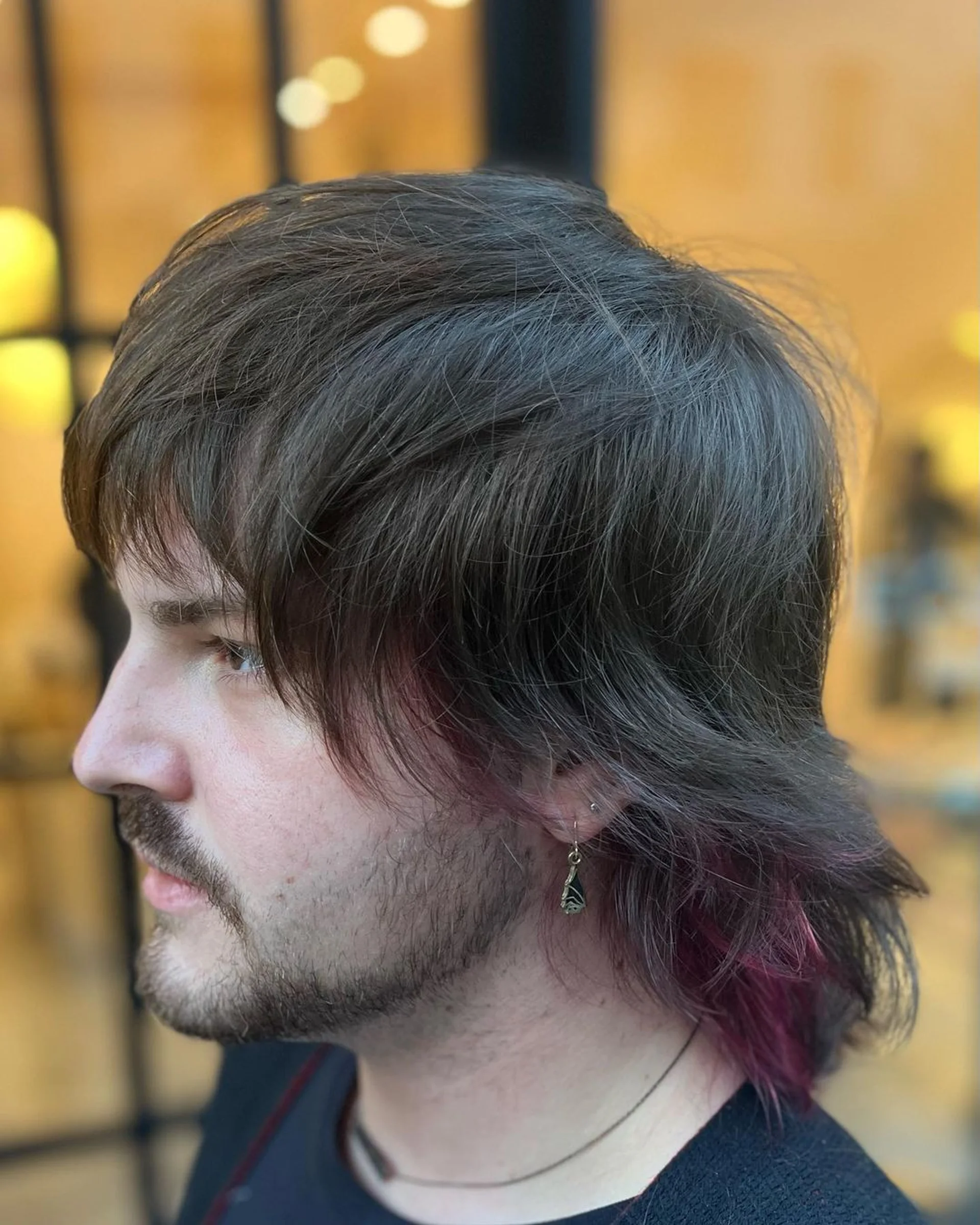
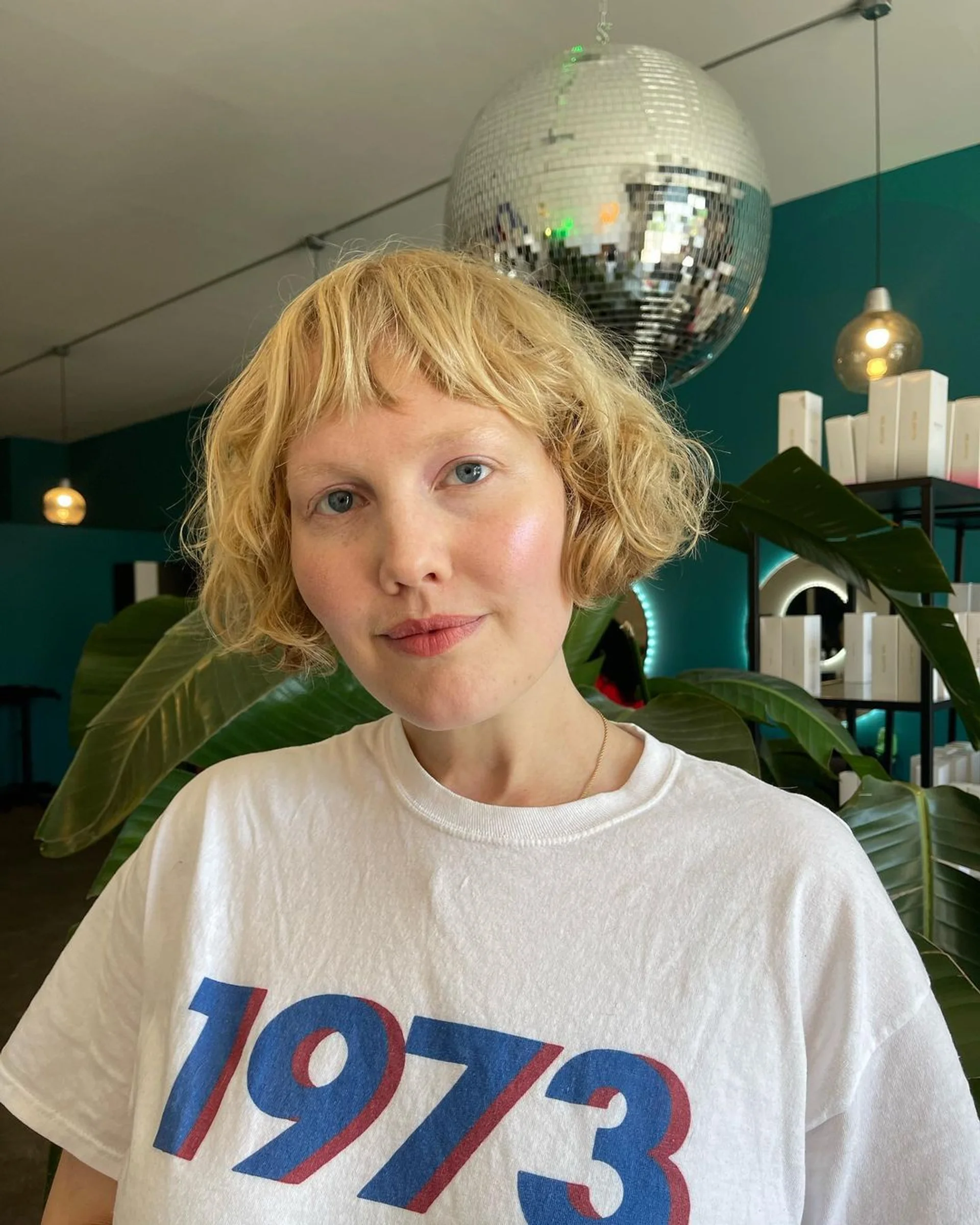

When you sit in the salon chair and ask for a 'soft shape' or 'lived-in layers,' your stylist has to make a crucial technical choice: reach for the scissors or the razor. Both tools can create beautifully soft haircuts, but they go about it in entirely different ways. A razor cuts the hair on an angle, tapering the ends so they blend seamlessly without bulk. Scissors provide a cleaner, blunter edge, requiring techniques like point-cutting to add softness while maintaining weight. The best choice rarely comes down to one tool being universally better. Instead, it depends on your hair's natural texture, density, and the specific silhouette you want. It's also worth noting that the long-standing rumor about razors inherently causing split ends is largely a myth; a fresh, sharp blade used with the right technique on suitable hair yields healthy, shattered texture. Understanding how these tools perform allows you to have a more productive consultation.
The Razor Cut: Feathered, Lived-In Softness
Ideal for shags, mullets, and shattered ends
A razor cuts the hair strand at a sharp angle rather than straight across. This tapering effect thins out the very end of the hair, allowing the strands to overlap and lay flat against each other. The result is a highly textured, piecey look that removes bulk and creates an airy, 'shattered' softness. This technique is often the driving force behind modern shags, wolf cuts, and heavily feathered layers where visible movement is the primary goal.


Consultation tips
Describe the finish you want, not just the tool.
Instead of demanding a razor or a scissor cut, tell your stylist you want 'shattered, airy ends' or a 'clean, full perimeter.' Let their expertise dictate the best tool to achieve that on your specific hair type.
Discuss your hair's history.
If your hair is highly bleached or damaged, a razor might exacerbate a frayed appearance, making scissor-cut layers a safer choice to retain a healthy-looking edge.
Before you book
Compare relevant portfolio photos
Choose references with a similar starting texture and explain the intended change. Look closely at the ends of the hair in the photos—are they blunt and crisp, or soft and tapered?
Compare portfolio photos and discuss your goals with a stylist.


