HAIRCUT & COLOR GUIDE
Shoulder-Length Cuts for Wavy Hair That Defeat the Triangle Effect
Every image you see is a bookable style. Click any photo to view details and book an appointment with a stylist.
Understanding the Wavy Silhouette
Anyone with a natural wave pattern knows the struggle: as the hair grows toward the shoulders, the ends expand outward, creating a bottom-heavy, triangular silhouette. A completely blunt cut forces the waves to stack rigidly on top of one another. The solution lies in strategic weight removal. By incorporating interior layers and customized texturizing techniques, a haircut can encourage the wave pattern to move naturally. The delicate balance is removing enough internal bulk to collapse the triangle, while preserving enough weight at the perimeter so the ends remain defined and structured, rather than thin or stringy.
The Layered Lob: Lifting Weight from the Perimeter
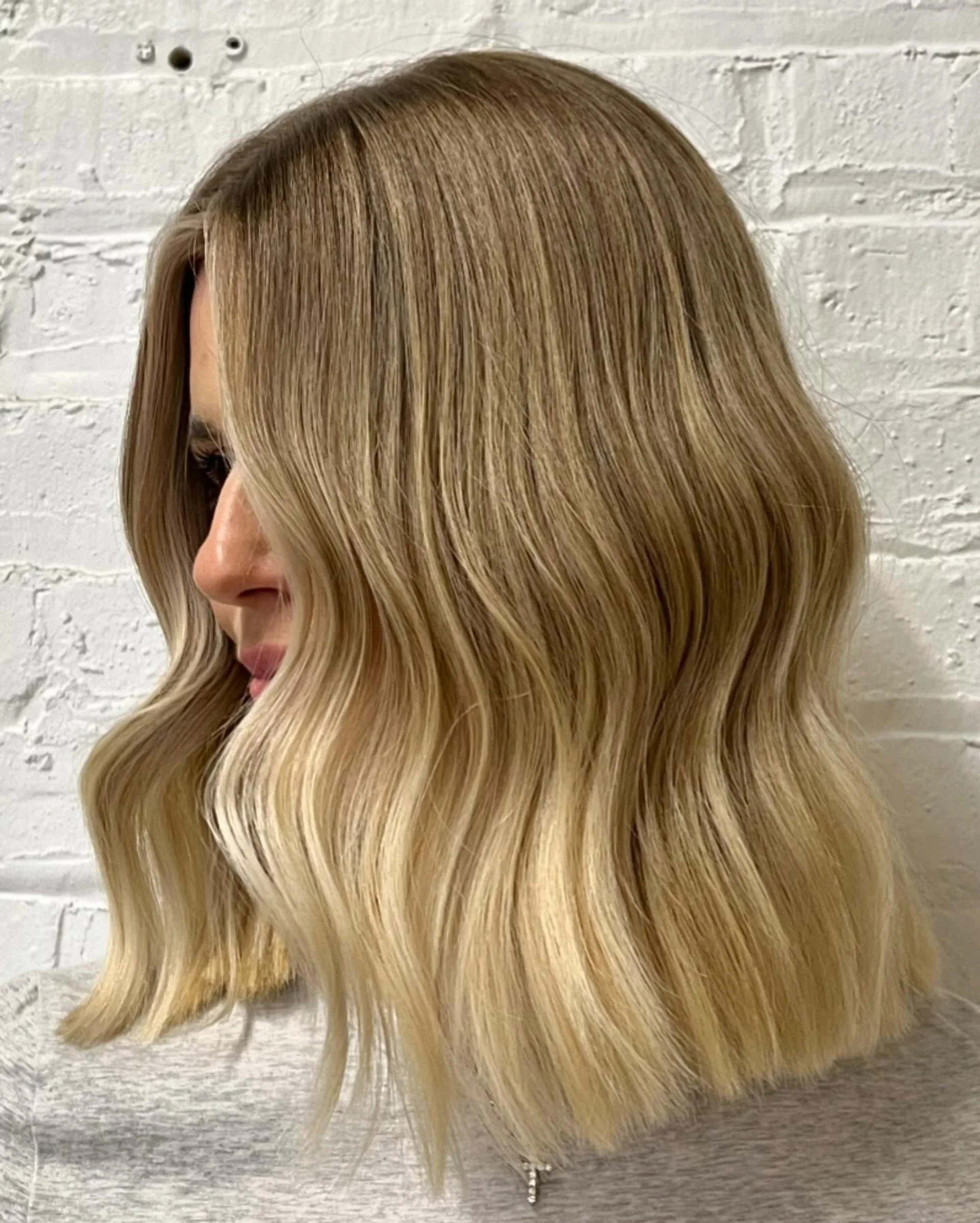
A long bob (or lob) is a perfect canvas for shoulder-length waves, provided the weight is managed correctly. By cutting soft, invisible layers just an inch or two above the baseline, the bulk that usually flares outward is removed. This allows the ends to tuck under or sit softly against the collarbone. Because the layering is kept minimal and concentrated in the interior, the perimeter retains a crisp, solid appearance, preventing the wispy look that comes from over-thinning.


Mid-Length with Face-Framing: Shifting the Width Upward
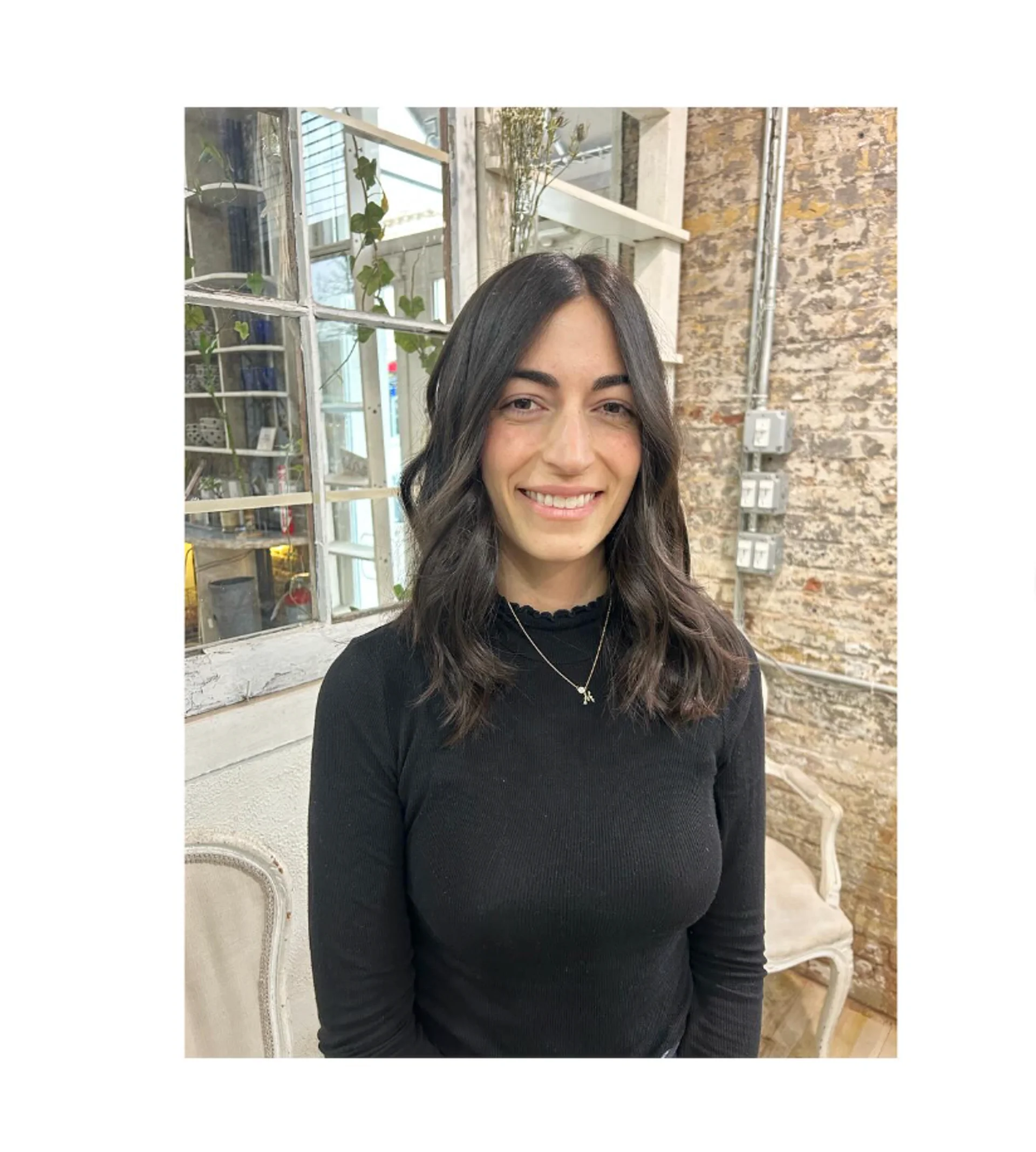
For hair grazing the shoulders or collarbones, the visual width often settles harshly right at the jaw. Adding distinct face-framing layers shifts the volume vertically. When shorter pieces begin around the cheekbones and taper downward, they break up the dense, horizontal line that creates the triangle shape. This transforms the silhouette from a pyramid into a softer, diamond-like or oval shape, giving the waves room to bounce without compromising the density at the very bottom of the hair.


Wavy Bobs: Controlling the Base
Going shorter than the shoulders can feel risky for wavy hair, as the shorter length naturally encourages more volume and bounce. To prevent a rigid, helmet-like appearance, point cutting is often utilized at the baseline. This technique snips vertically into the ends, softening the line rather than shearing it horizontally. By blending subtle graduation at the nape with a fairly uniform length around the sides, the hair maintains enough weight to hang nicely, letting the wave pattern sit flat and controlled.


Dimensional Color to Disperse Visual Density
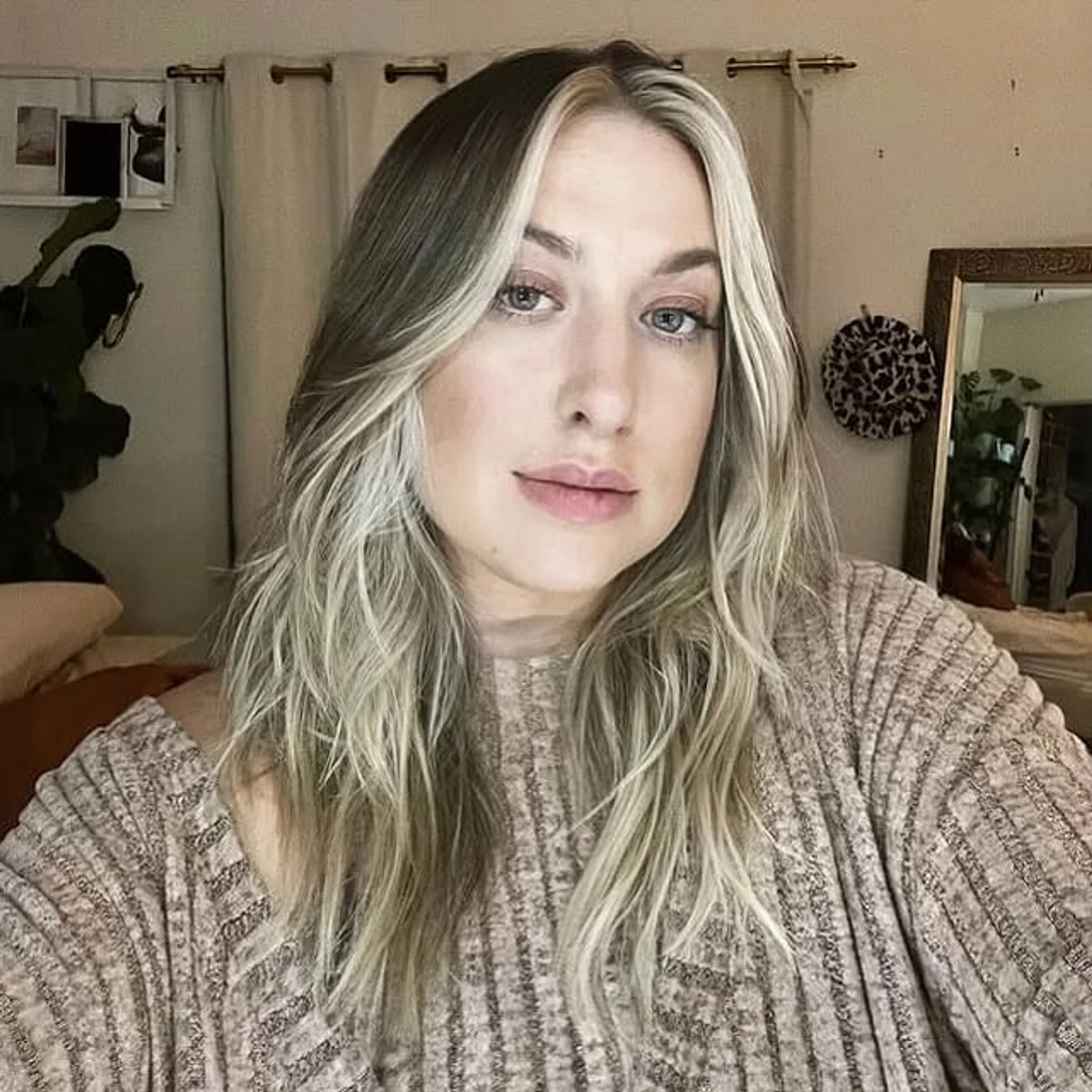
While a strategic haircut physically alters the shape, hair color is a powerful tool for changing visual weight. A solid, dark color on a medium wavy cut can sometimes look blocky and dense, emphasizing a heavy bottom edge. By weaving highlights, balayage, or money pieces into the hair, the color breaks up the optical density. The lighter ribbons draw the eye vertically along the wave pattern, creating an illusion of texture, lightness, and movement even if the haircut itself remains quite solid.


Compare portfolio photos and discuss your volume goals with a stylist.
Explore hairstyles
