
HAIRCUT GUIDE
Soft Shags for Fine Wavy Hair: How to Keep Enough Weight
Every image you see is a bookable style. Click any photo to view details and book an appointment with a stylist.
The Shag Tradeoff: Volume vs. Density
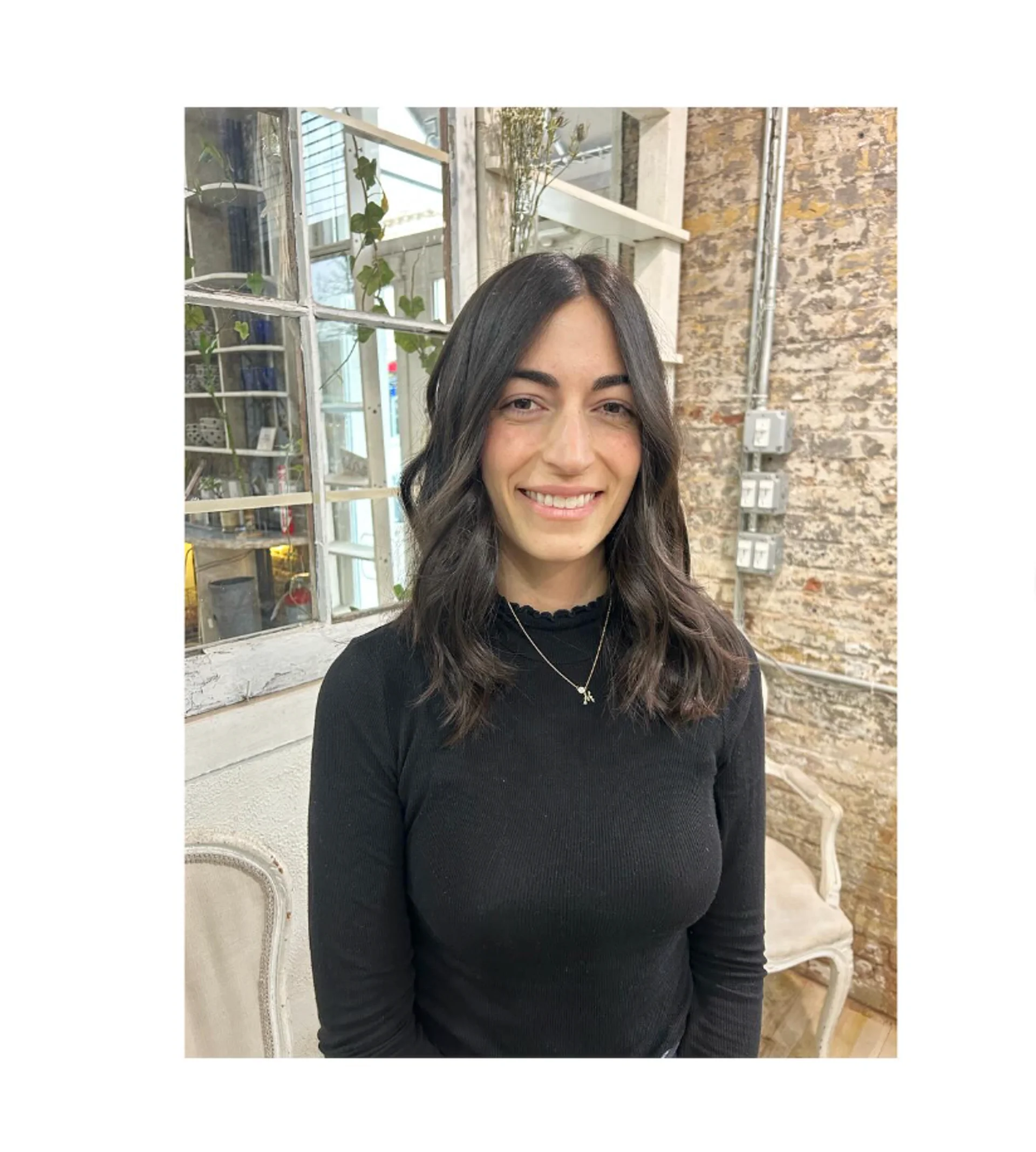
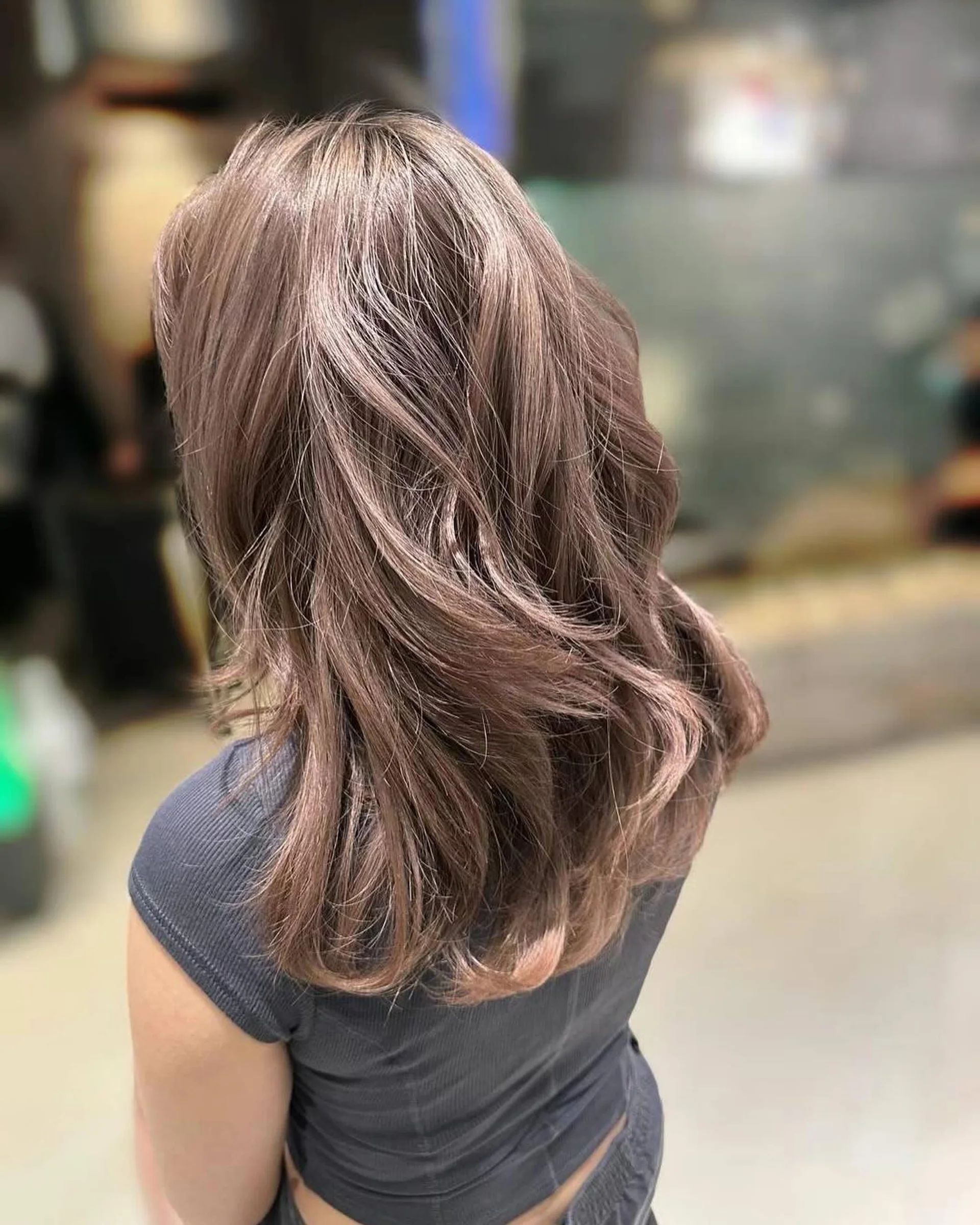
A highly textured, traditional shag brings an undeniable rock-and-roll vibe, but it presents a distinct challenge for fine, wavy hair. The core feature of a classic shag is heavily disconnected, short crown layers that create lift at the top. The tradeoff? Removing that much interior bulk means there is significantly less hair left to form the perimeter. For fine hair, this can result in bottoms that look sparse or stringy. The solution is a "soft shag"—a haircut that relies on modest, strategic layering to encourage your natural wave pattern while keeping enough weight at the ends to maintain a full, healthy appearance.
Mid-Length Layers for Density Management
Opting for a lob (long bob) or a collarbone-grazing cut is an excellent strategy for fine hair. Keeping the overall length shorter means the hair has less distance to travel, allowing the ends to remain thicker. In these styles, soft layers are placed subtly around the exterior rather than heavily throughout the interior. This approach provides just enough movement to activate the waves without hollowing out the middle section of the hair.


Prioritizing Face-Framing Over Crown Layers
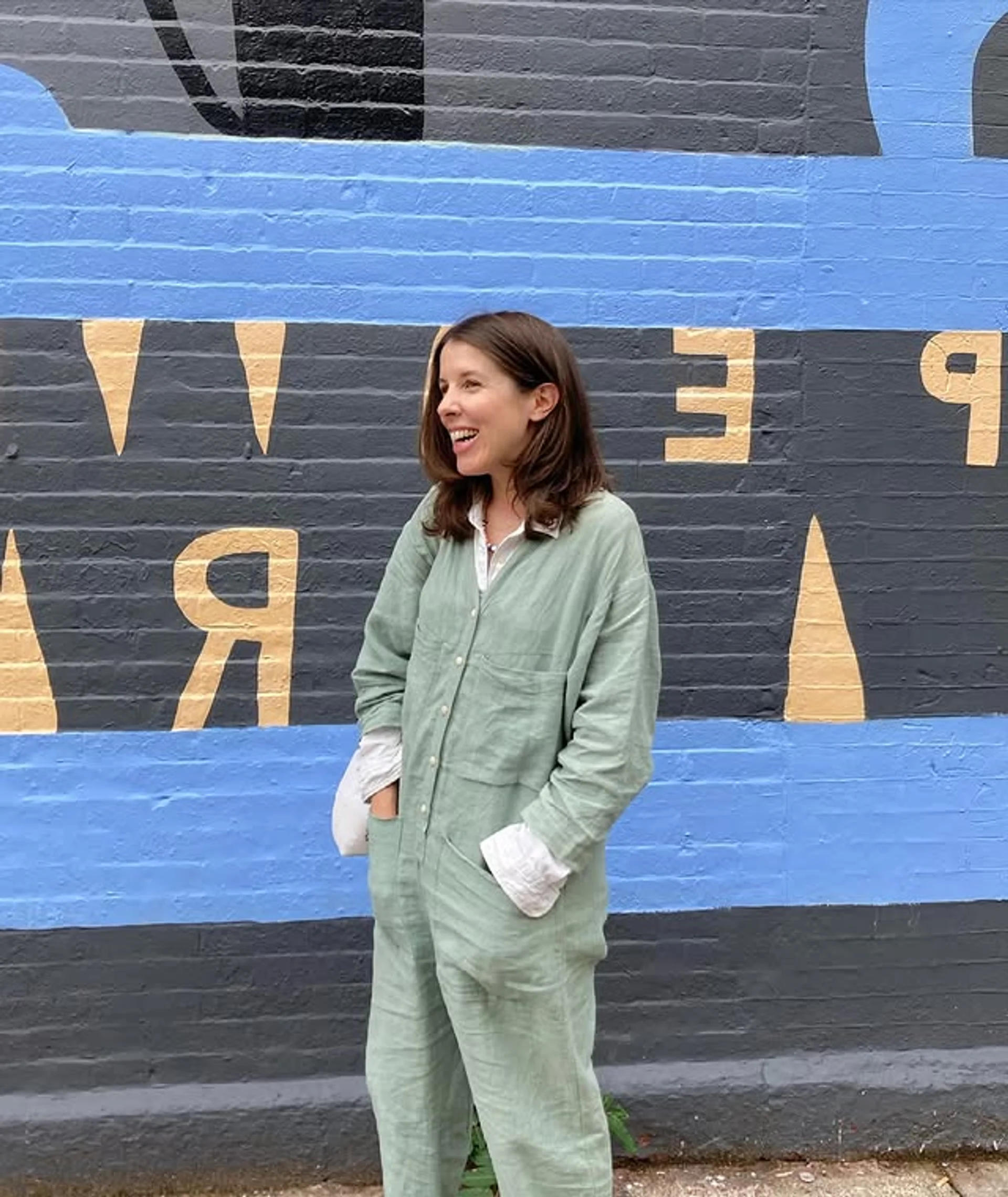
If you want the lived-in, textured look of a shag without risking your hair's density in the back, focus the layering around your face. By incorporating curtain bangs or face-framing layers that blend downwards, you create the visual illusion of a shag from the front. Meanwhile, the back of the haircut can remain relatively heavy, preserving the critical weight needed to make fine waves clump together nicely rather than separating into thin pieces.


Long Soft Shags: Preserving the Ends
For those committed to keeping their length, the key is lowering the starting point of the layers. Instead of layers that begin at the cheekbones or crown, a long soft shag introduces layering toward the bottom third of the hair. This technique prevents the upper portion of the hair from looking flat while ensuring the ends remain robust. Asking for blunt point-cutting on the ends, rather than aggressive texturizing shears or razoring, helps maintain a crisp, weighty perimeter that supports the wave pattern.


Compare portfolio photos and discuss your layer placement with a stylist.
Explore hairstyles


