
HAIRCUT & STYLE GUIDE
Blunt Ends vs. Textured Ends for Fine Hair
How to decide between visible fullness and fluid movement.
Every image you see is a bookable style. Click any photo to view details and book an appointment with a stylist.
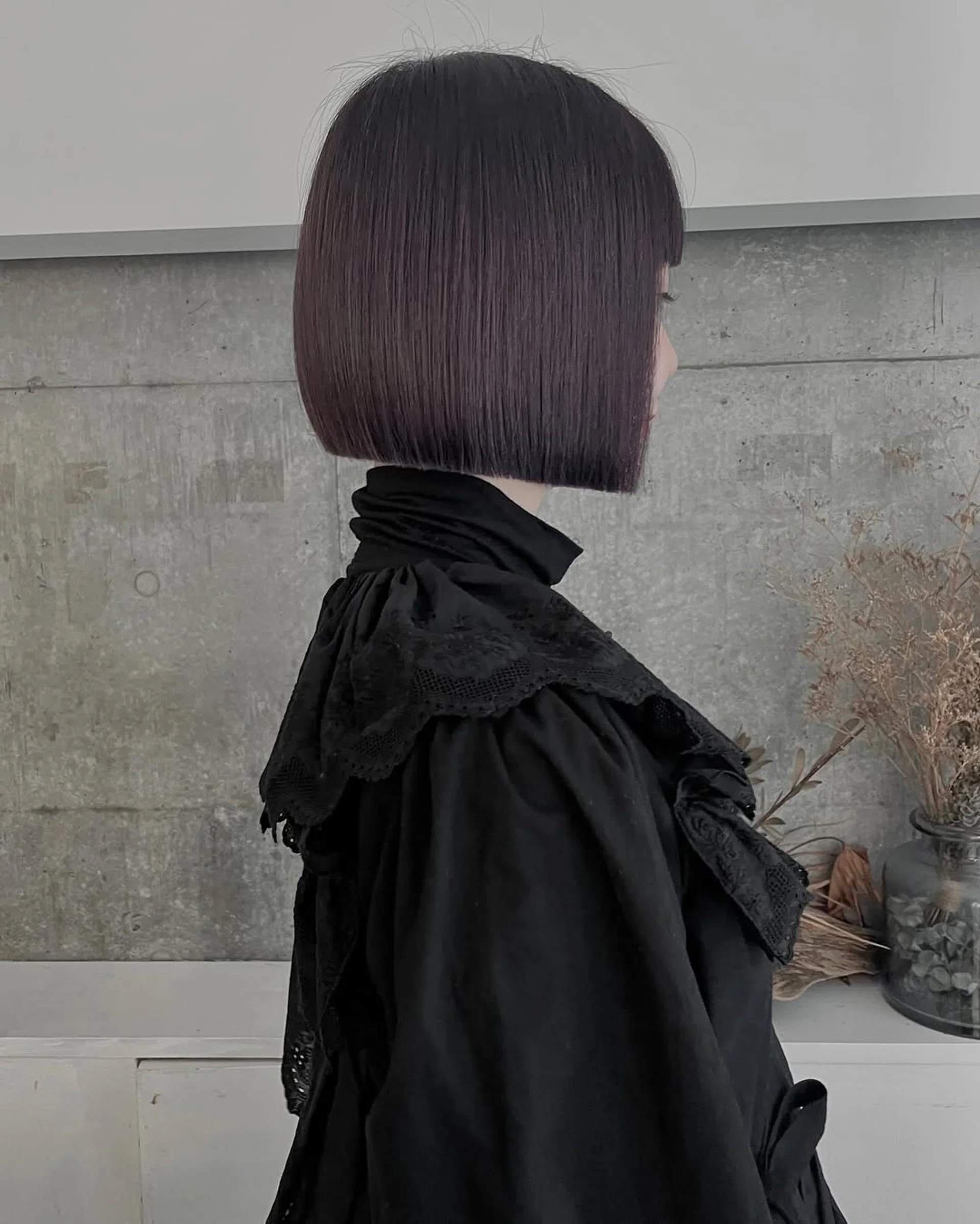
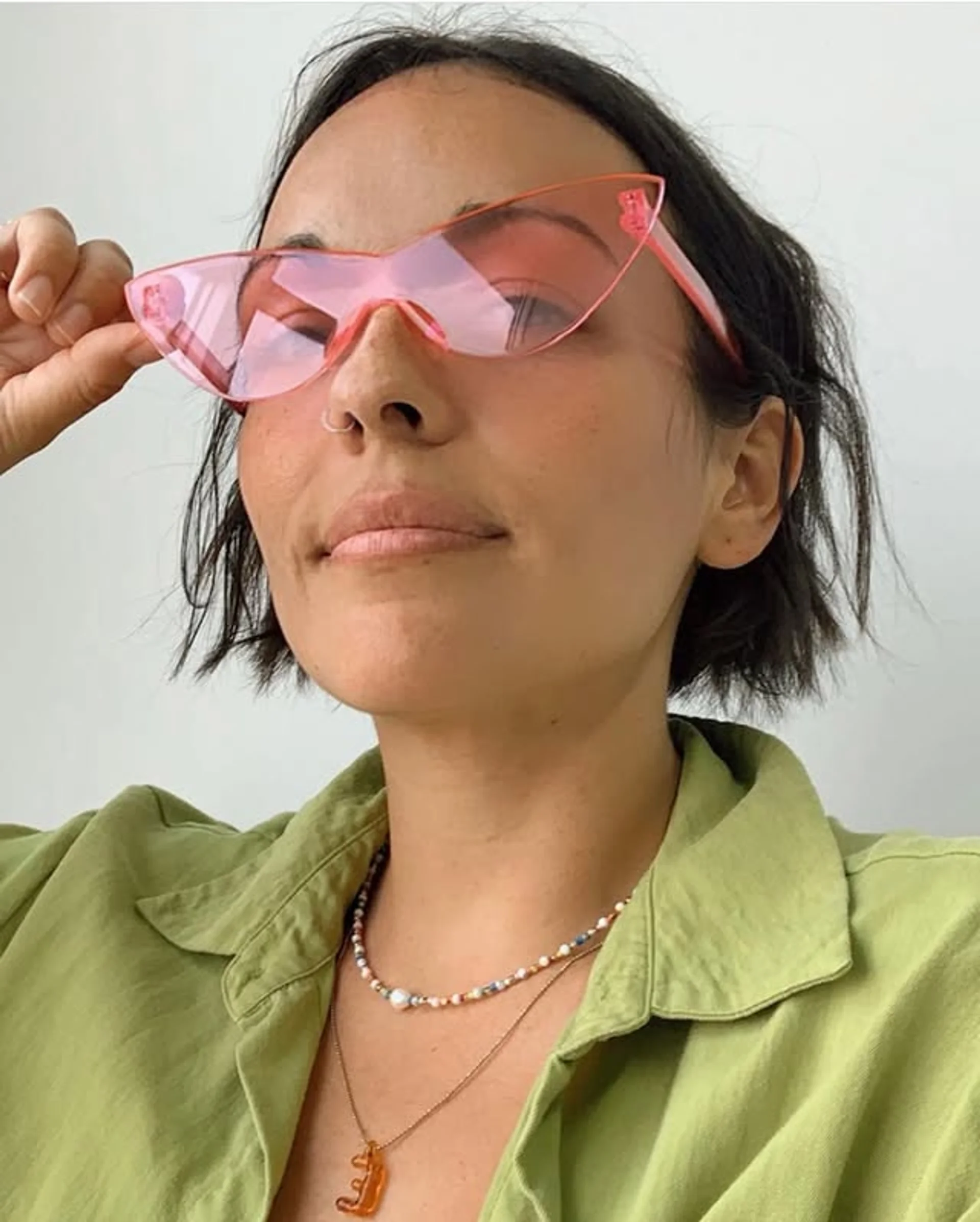
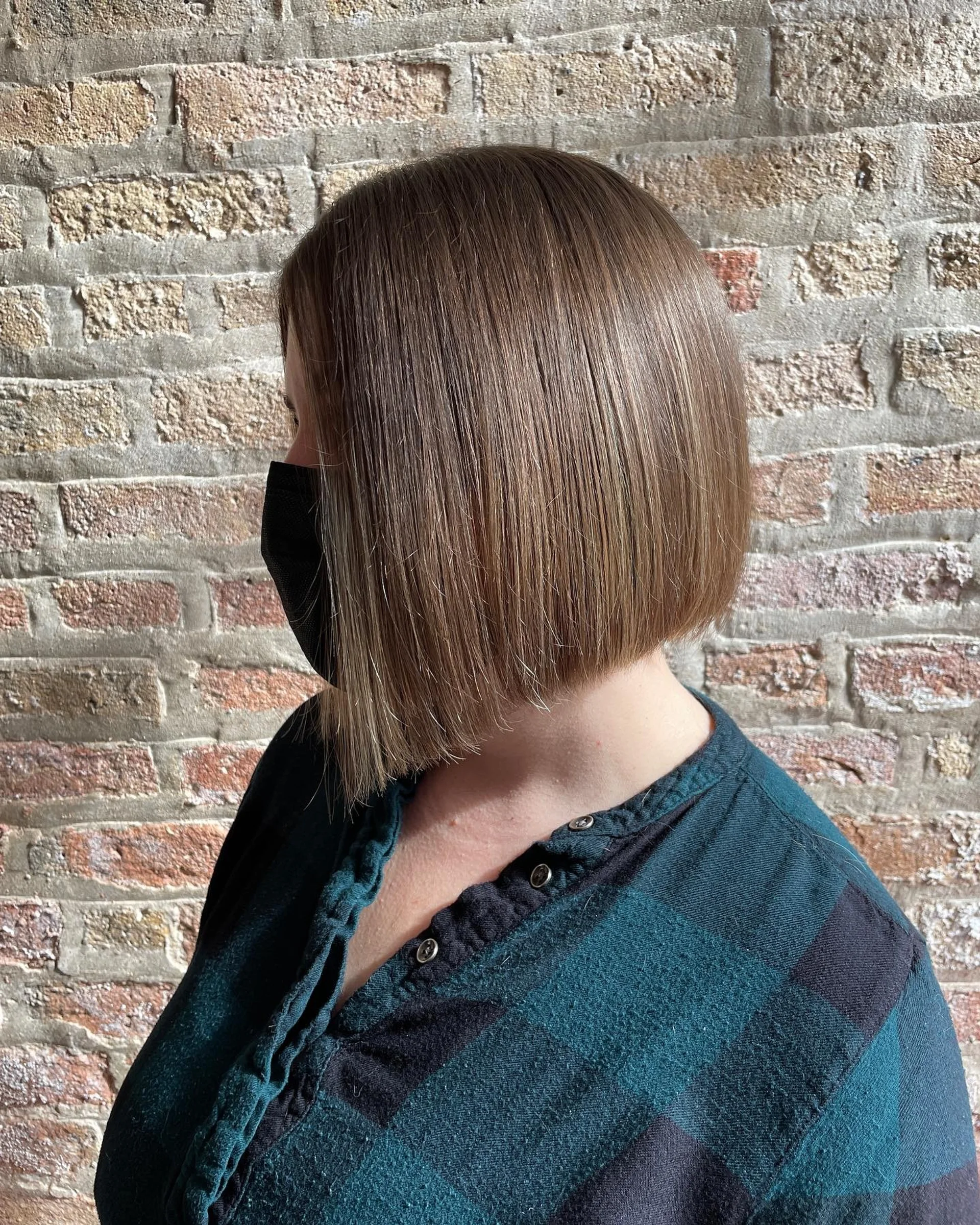
When deciding on a haircut for fine hair, the way the ends are finished plays a major role in the final look. A blunt perimeter creates a solid visual line that makes hair appear thicker and denser at the hemline. Conversely, textured ends break up that solid line, reducing bulk at the tips to encourage lift, movement, and a softer shape. While no cutting technique alters your natural hair density, choosing between blunt or textured ends allows you to prioritize either the illusion of maximum fullness or effortless body.
The Precision Blunt Bob
Maximizing visible density
A precision blunt cut aligns all the hair at a single perimeter length. By avoiding layering at the bottom, the strands visually stack together to create the strongest possible hemline. This approach is highly effective for fine hair that easily looks thin or stringy, as it anchors the style with a solid, structured foundation.


Consultation tips
Pull hair forward during the consultation.
Showing your stylist how much hair density you naturally have around the front framing of your face helps determine if the ends should remain blunt for visual weight.
Discuss your morning routine.
A sharp blunt cut usually requires blow-drying or flat ironing to look polished, whereas textured ends can often embrace a rough-dry or natural wave.
Before you book
Compare relevant portfolio photos
Look for references that match your current hair density and texture. Focus strictly on the ends of the hair in the photos to decide if you prefer a solid line or shattered movement.
Communicate your primary goal
Tell the salon whether your main frustration is that your hair feels too flat (needs texture) or looks too thin at the bottom (needs bluntness).
Compare portfolio photos and discuss your goals with a stylist.


