How to Keep Your Length When Asking for Layers
Explain perimeter weight, identify your shortest desired layer, and communicate exactly how much hair to remove for a customized layered cut.
Every image you see is a bookable style. Click any photo to view details and book an appointment with a stylist.

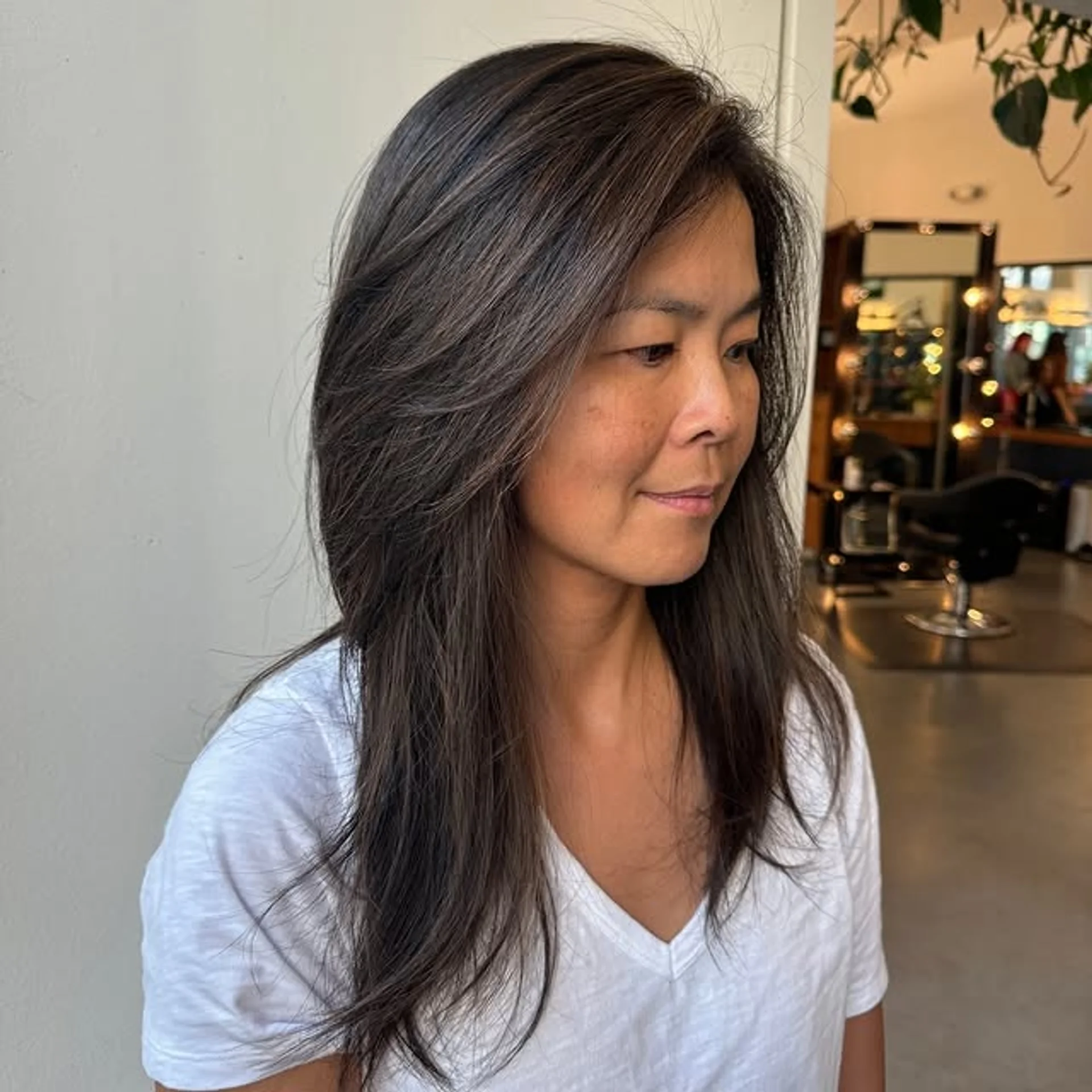
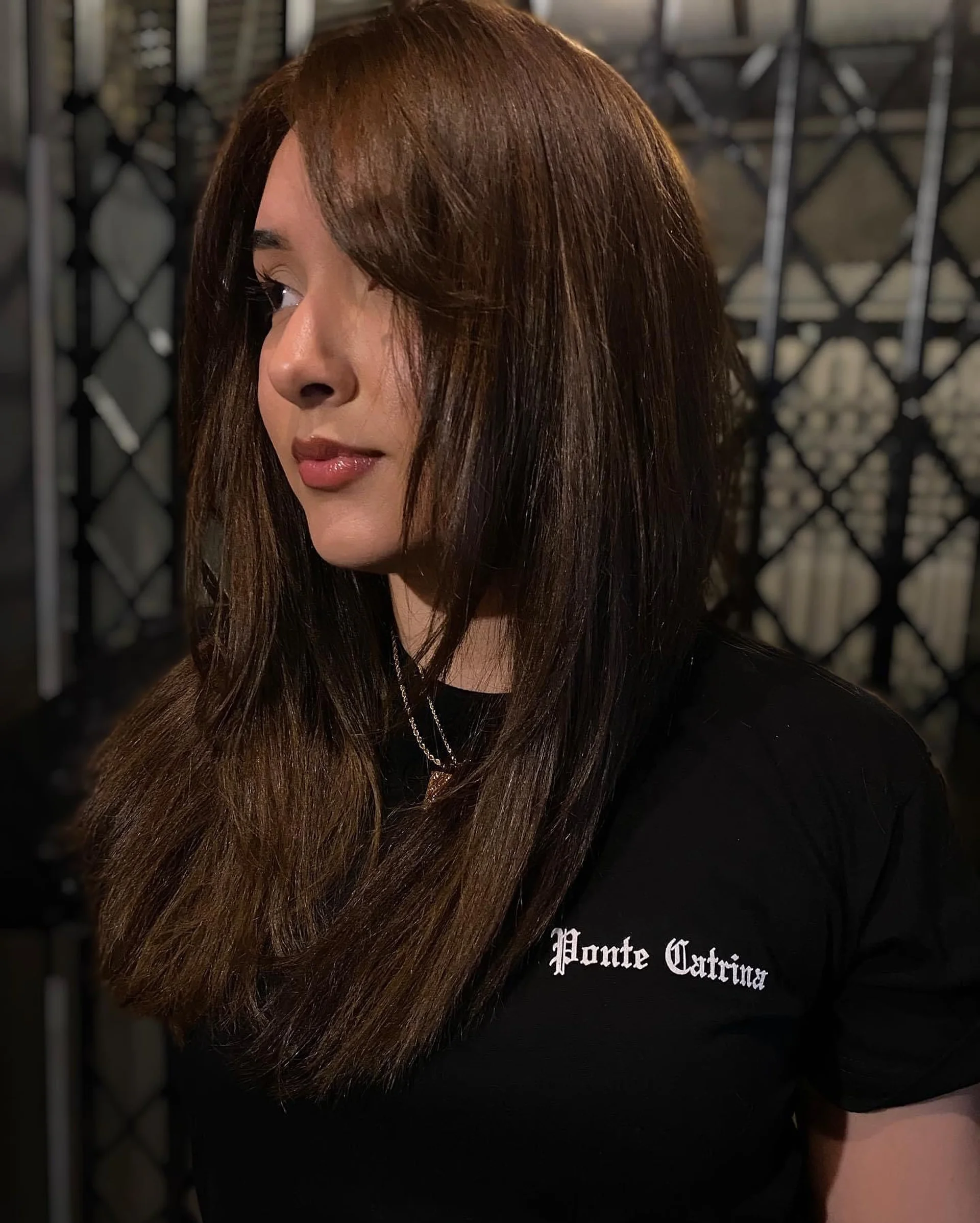
A major fear when asking for layers is walking out of the salon with significantly shorter hair than expected. The key to preserving your hard-earned length is clearly separating the baseline (the absolute bottom of your hair) from the internal layers (the shorter pieces that add texture and volume). By bringing photo references and understanding how to discuss your perimeter weight, pinpointing your shortest desired face-framing layer, and showing exactly how much hair you are comfortable parting with, you can confidently ask for movement without sacrificing your length.
Protecting Your Perimeter Weight
Maintaining a strong baseline for fullness
The perimeter, or baseline, defines the maximum length of your haircut. When asking for layers, a common pitfall is allowing the stylist to remove too much bulk from the very bottom, resulting in wispy or thin-looking ends. Specifying that you want to maintain density at the perimeter ensures the hair retains a strong outline while subtle internal layers create movement above it.


💬What to Ask Your Stylist
- Can we keep a strong weight line at the perimeter so the overall length still feels full and solid?
Best For:
- • Fine or medium density hair where you want to maximize the appearance of length and thickness.
NYC Price Range:
Ask the salon for a current quote
Maintenance:
Ask your stylist for a personalized trimming schedule to keep the baseline crisp while the layers grow out.
Defining Your Shortest Layer
Anchoring the cut with face-framing pieces
Layers have to start somewhere. Pointing to the exact physical feature—like your cheekbone, jawline, or collarbone—where you want the absolute shortest layer to begin sets the boundary for the rest of the cut. The distance between this shortest face-framing layer and your longest perimeter layer dictates how heavily textured the final look will be.


💬What to Ask Your Stylist
- I'd like my shortest face-framing layer to start right at my chin, gently blending down into the length.
Best For:
- • Clients who are nervous about choppy, disconnected pieces or layers that feel too short to tie back.
NYC Price Range:
Ask the salon for a current quote
Maintenance:
Discuss how to style face-framing pieces at home, as shorter layers often require specific round-brushing or curling techniques.
Adding Shaggy Texture While Preserving the Baseline
High movement without losing overall length
It is possible to get a heavily textured, shaggy look with significant volume while keeping your maximum length intact. Modern shags focus heavily on removing weight from the crown and the interior of the hair. As long as you explicitly state that the longest pieces at the nape of the neck should not be shortened, you can embrace high-texture trends safely.


💬What to Ask Your Stylist
- I want heavily textured internal layers for a shaggy effect, but please leave the longest bottom pieces exactly where they are.
Best For:
- • Thick or wavy hair types that want significant volume, crown lift, and movement without going shorter.
NYC Price Range:
Ask the salon for a current quote
Maintenance:
Ask the stylist to recommend a texturizing spray or cream to help emphasize the varied lengths without weighing the hair down.
Consultation Tips for Layered Hair
Physically show the stylist how much length you are willing to lose.
Saying 'just an inch' can mean different things to different people. Pinching the exact amount of hair you are okay with removing from the bottom ensures there are no surprises.
Differentiate between volume and thinning.
If you want layers to make your hair feel lighter, explicitly ask for weight removal rather than just shorter layers. If you want layers to make your hair look bigger, ask for layers that encourage volume without thinning the ends.
Before You Book
Select realistic reference photos.
Choose portfolio examples where the model's hair density and texture closely match your own starting point.
Communicate your daily styling routine.
Layers require more styling than a blunt cut. Let your stylist know if you usually air dry or use hot tools, as this will affect how they cut the layers to sit naturally.
Compare portfolio photos and discuss your goals with a stylist.