How to Talk About Haircut Maintenance Without Guessing
Define your tolerance for grow-out and ask your stylist for a personalized trim plan.
Every image you see is a bookable style. Click any photo to view details and book an appointment with a stylist.
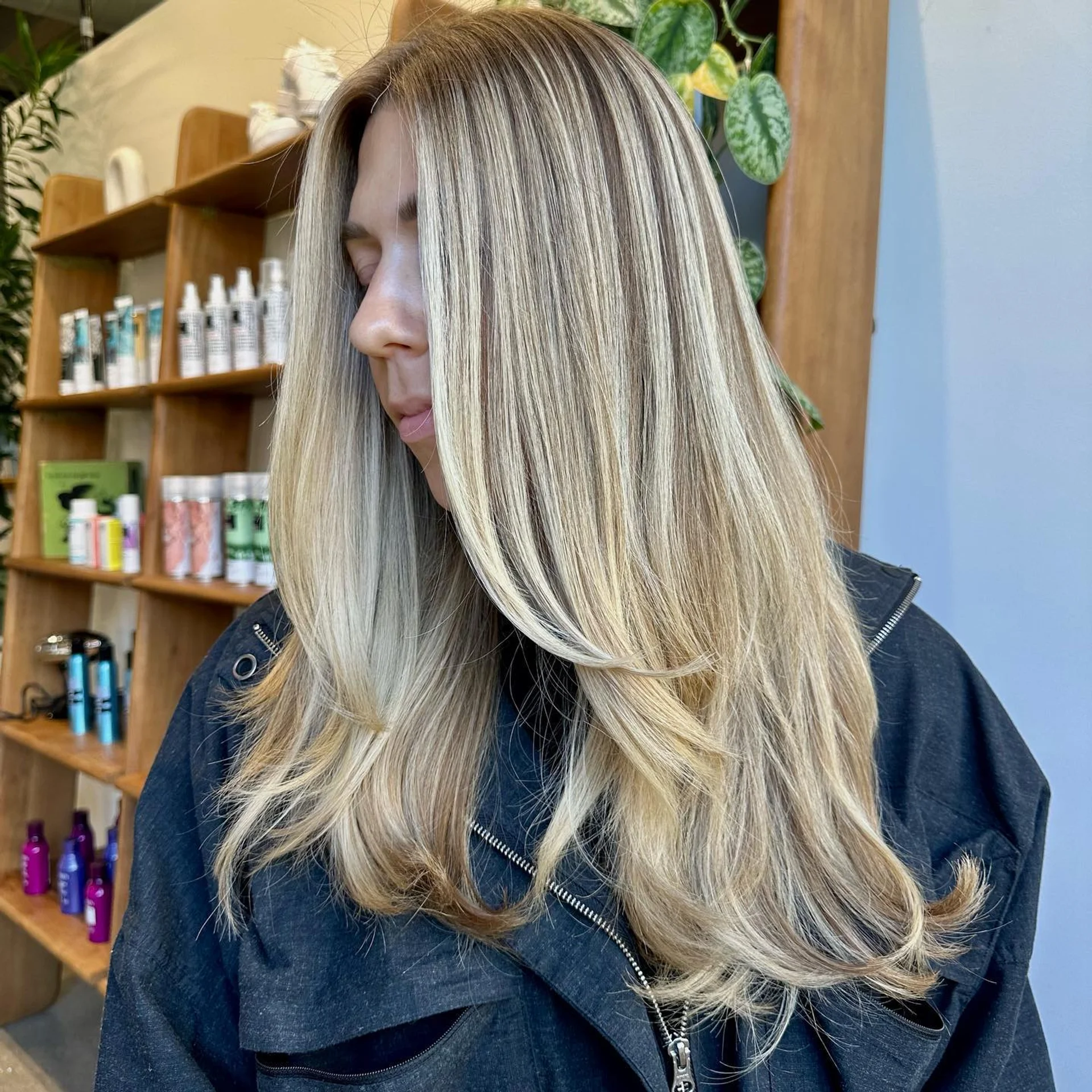


A great haircut is only as good as its grow-out phase. Instead of guessing how long a style will hold its shape or when you will need your next trim, the most effective consultation strategy is to define your personal maintenance tolerance. By openly discussing how frequently you are willing to visit the salon, your stylist can recommend a cut that naturally shifts into a cohesive longer style, or build a personalized trim plan for a highly structured look. The key is understanding that different silhouettes demand entirely different upkeep schedules.
The Forgiving Grow-Out
Soft transitions that stretch your salon visits
Longer cuts featuring soft, cascading face-framing layers tend to offer the most forgiving grow-out process. Because the transitions between the different lengths are gradual rather than blunt, the haircut's overall shape remains cohesive as it lengthens. This makes it an ideal option if you prefer to stretch the time between your salon appointments.


💬What to Ask Your Stylist
- If I space out my trims longer than usual, how will the shortest layers around my face transition as they grow?
Best For:
- • Clients with a low tolerance for frequent salon visits who want to maintain movement without strict structural upkeep.
NYC Price Range:
Ask the salon for a current quote
Maintenance:
Typically lower maintenance, but ask your stylist to map out a personalized schedule to keep the ends healthy.
The Structured Perimeter
Maintaining crisp geometry and lines
Bob haircuts rely heavily on structure to achieve their signature look. Whether cut bluntly at the jawline or subtly layered toward the chin, a precise perimeter loses its initial sharpness faster than a heavily layered long cut. As the hair grows past the neck, the original geometry of the cut shifts entirely, which requires a commitment to routine reshaping to keep the intended silhouette intact.


💬What to Ask Your Stylist
- How frequently will I need to return to maintain this exact length and prevent the ends from flipping out?
Best For:
- • Clients who enjoy a polished, architectural shape and are willing to commit to regular reshaping appointments.
NYC Price Range:
Ask the salon for a current quote
Maintenance:
Requires a personalized trim plan; ask your stylist exactly when you should pre-book to maintain the sharp perimeter.
The High-Contrast Detail
Managing rapid changes in short silhouettes
Short styles with closely clipped sides, like tapered cuts, experience the most noticeable changes during the grow-out phase. Because the hair is cut so close to the scalp, even a fraction of an inch of growth can soften the clean edges and alter the intended contrast between the sides and the top. Keeping this look sharp is a commitment.


💬What to Ask Your Stylist
- Can we schedule brief clean-up appointments for the neckline and sides between my full haircuts?
Best For:
- • Clients with a high maintenance tolerance who prefer a consistently neat, clean-cut appearance.
NYC Price Range:
Ask the salon for a current quote
Maintenance:
High maintenance; discuss a strict rebooking schedule with your stylist to keep the taper looking intentional.
Consultation Tips for Realistic Upkeep
Be honest about your current salon habits.
If you generally only visit a salon two or three times a year, communicating this upfront prevents you from walking away with a haircut that requires monthly structural maintenance.
Ask about styling shifts as the hair grows.
A shape that takes five minutes to style on week one might require more effort by week six. Knowing how the styling demands will evolve helps you prepare for the grow-out.
Before You Book
Compare relevant portfolio photos
Find reference images of the cut you want, ideally looking for examples that match your starting length and texture, to anchor the conversation.
Discuss the personalized trim plan
Before leaving the chair, ask your stylist to outline exactly when you should return for a trim versus a full reshape, removing the guesswork from your calendar.
Compare portfolio photos and discuss your goals with a stylist.