HAIRCUT GUIDE
Long Hair With Face-Framing Layers: Where Should They Start?
Every image you see is a bookable style. Click any photo to view details and book an appointment with a stylist.
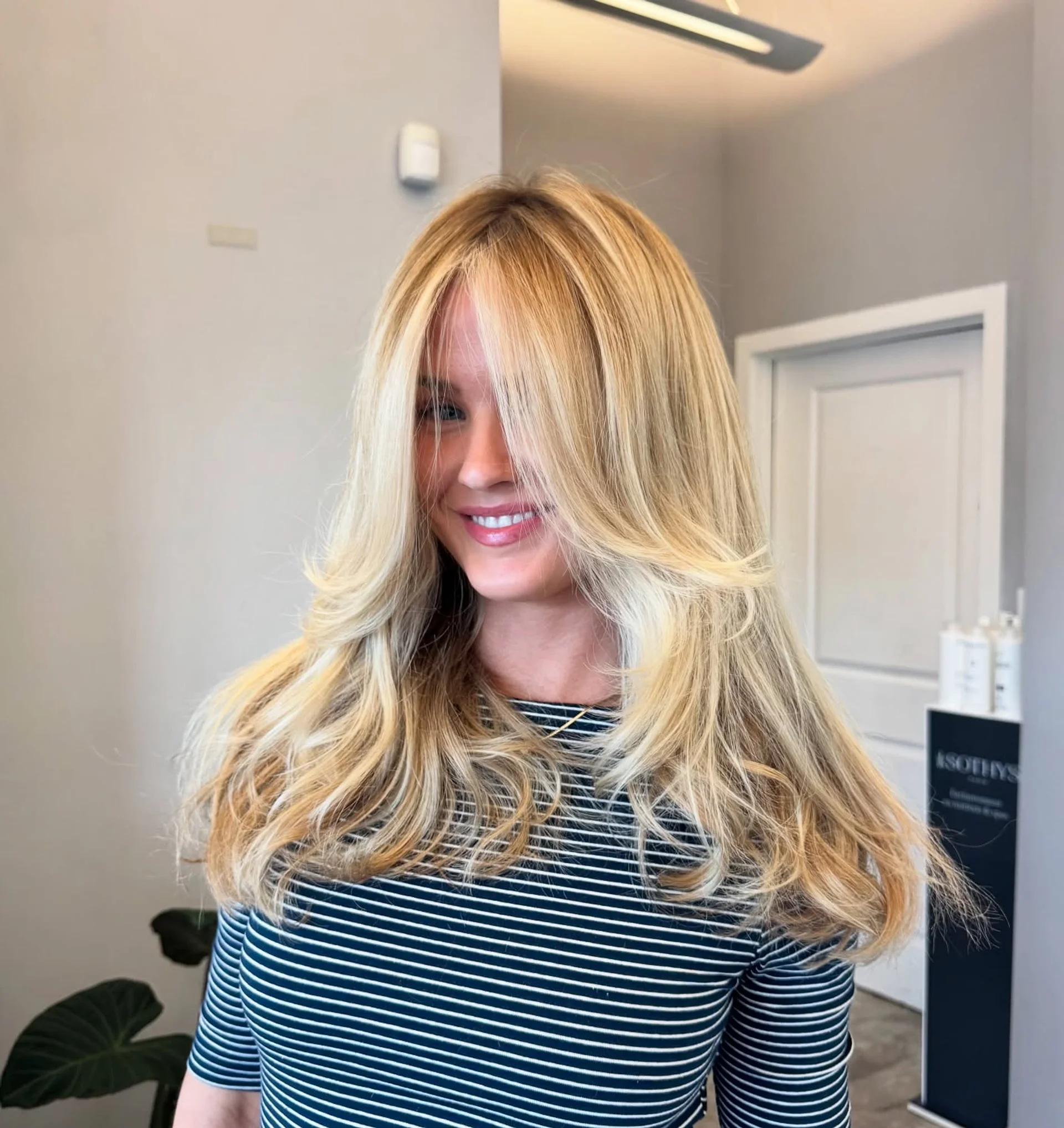
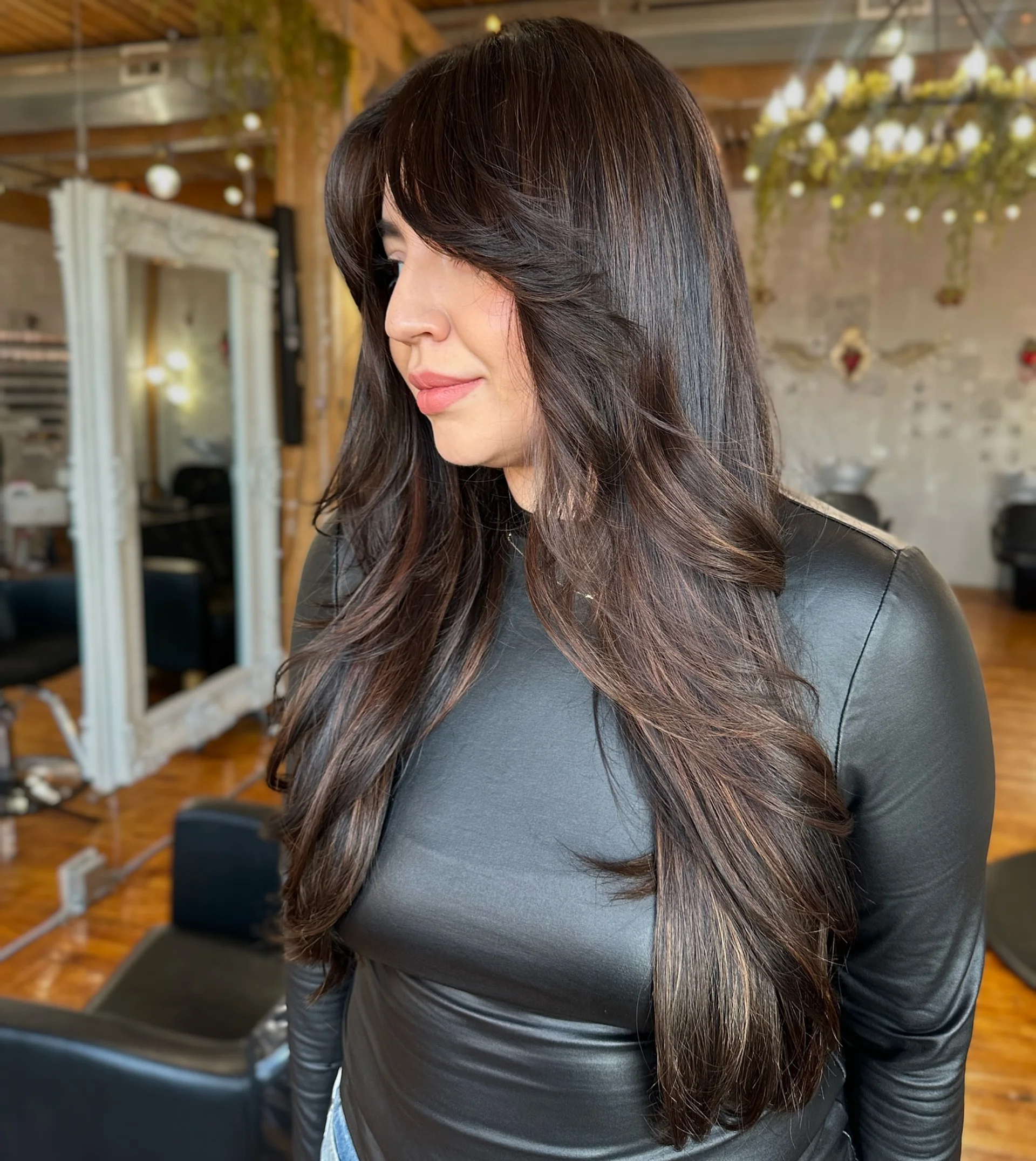
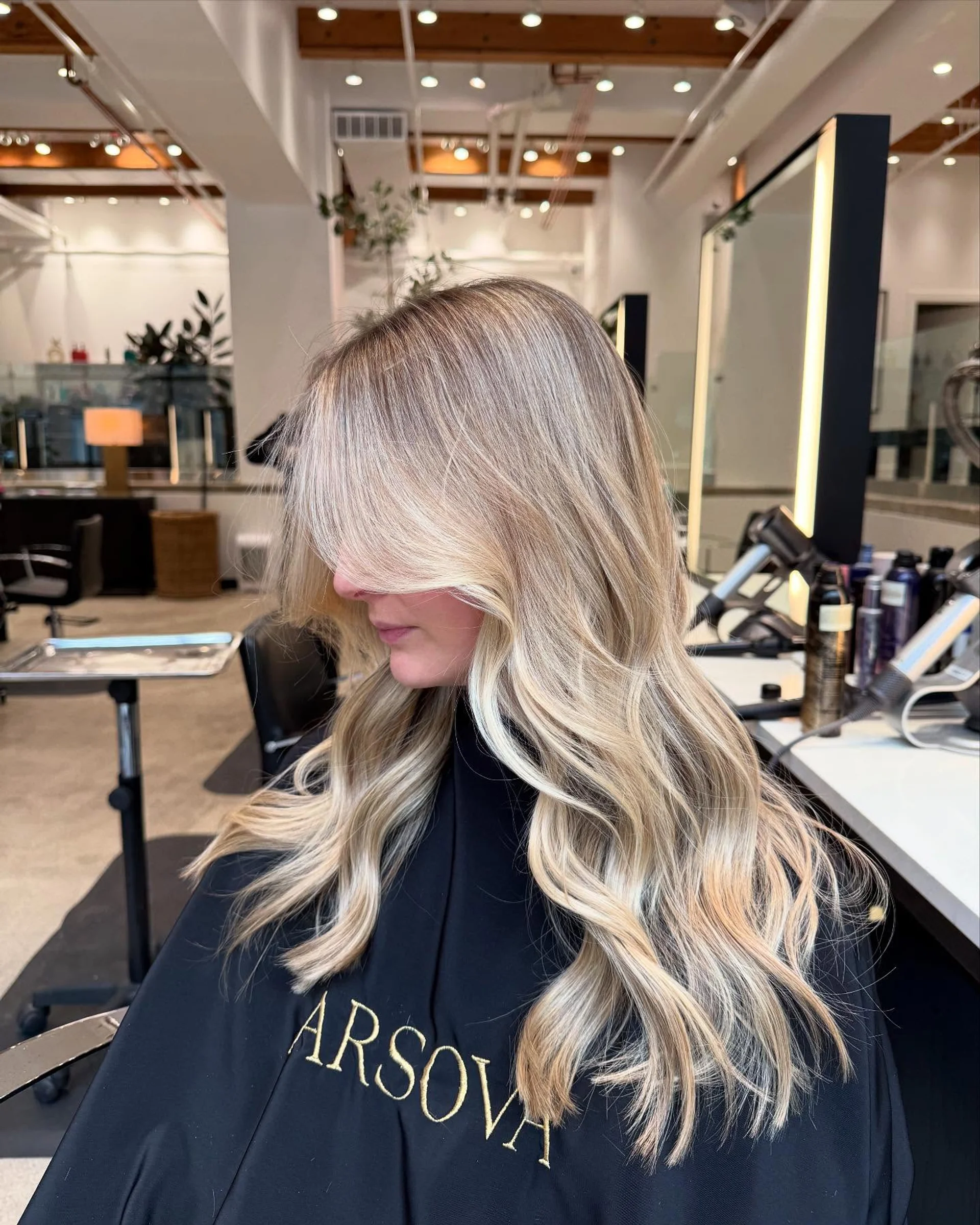
The Ponytail Test: Choosing Your Starting Length
Deciding where your face-framing layers should begin is one of the most important choices when updating long hair. The start point of your shortest layer completely changes the silhouette of your cut when worn down, but more importantly, it dictates how your hair behaves when you tie it back. If you want distinct, soft tendrils falling out of an updo, you need shorter framing. If you prefer a clean ponytail for workouts without requiring bobby pins, your layers need to start much lower.
Cheekbone to Eye-Level: The Curtain Bang Effect
Starting face-framing layers at the cheekbones or higher creates a distinct curtain bang. This option offers the most dramatic shift to your appearance when your hair is down, actively framing the eyes and upper face. When you tie your hair back, these pieces will not reach the ponytail elastic. Instead, they will fall completely loose, creating a built-in fringe that softens any updo. Keep in mind that this length requires the most daily styling, usually needing a round brush or rollers to sweep away from the face.


The Jawline Start: Soft Cascading Framing
Starting your shortest layer around the jawline is the classic "butterfly" or soft-frame approach. When worn down, it adds width and movement to the lower half of the face, seamlessly blending into the rest of the long layers. When you pull this hair into a low ponytail, these pieces might just barely tuck behind your ears or loosely drape around your jaw. In a high ponytail, they will fall completely out, acting as long, elegant tendrils rather than a structured bang.


Chin to Collarbone: The Subtle, Tie-Back Option
If you are hesitant about layers or want a highly functional haircut, ask for the shortest piece to start between the chin and the collarbone. This provides gentle movement at the ends of the hair without compromising density around the face. The biggest advantage here is low maintenance: when you tie your hair up, almost every piece will reach a mid-level or low ponytail. If a few strands do escape, they are easily tucked firmly behind the ears.


Compare portfolio photos and discuss your goals with a stylist.
Explore hairstyles


