HAIRCUT GUIDE
Short Bobs: Choosing a Soft Nape Over a Stacked Back
Explore these hairstyle portfolio references. Open a photo to view the style and available contact options.
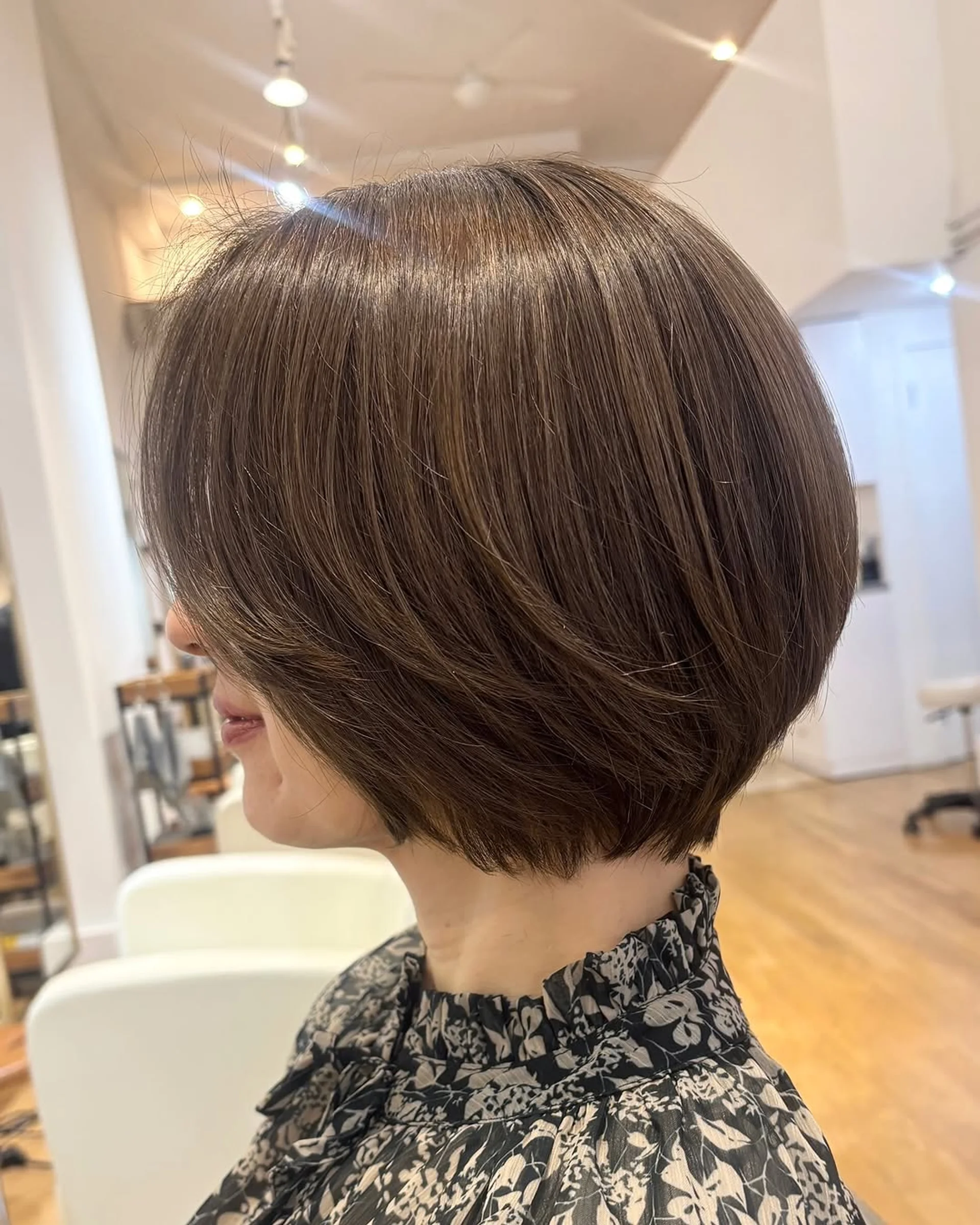
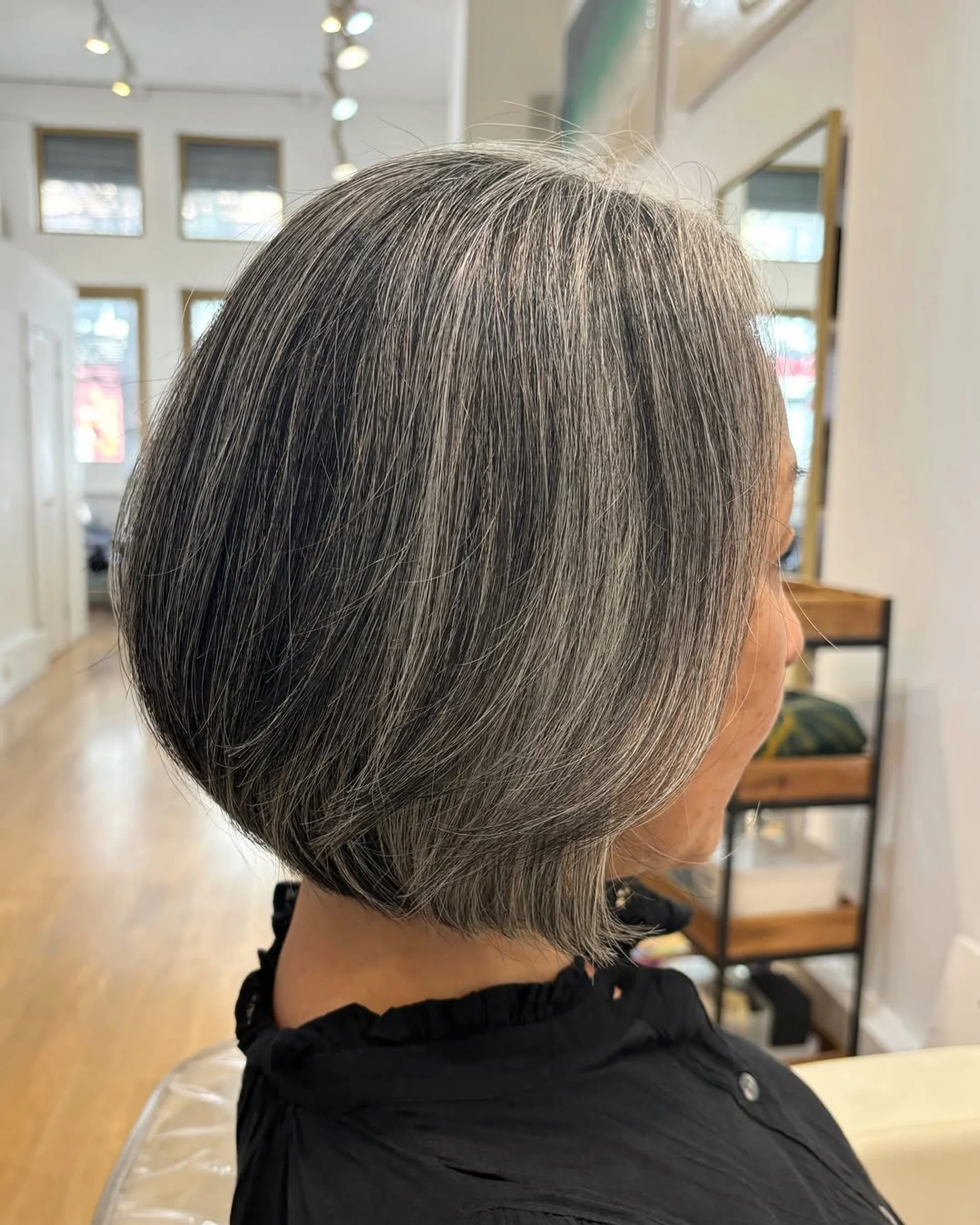
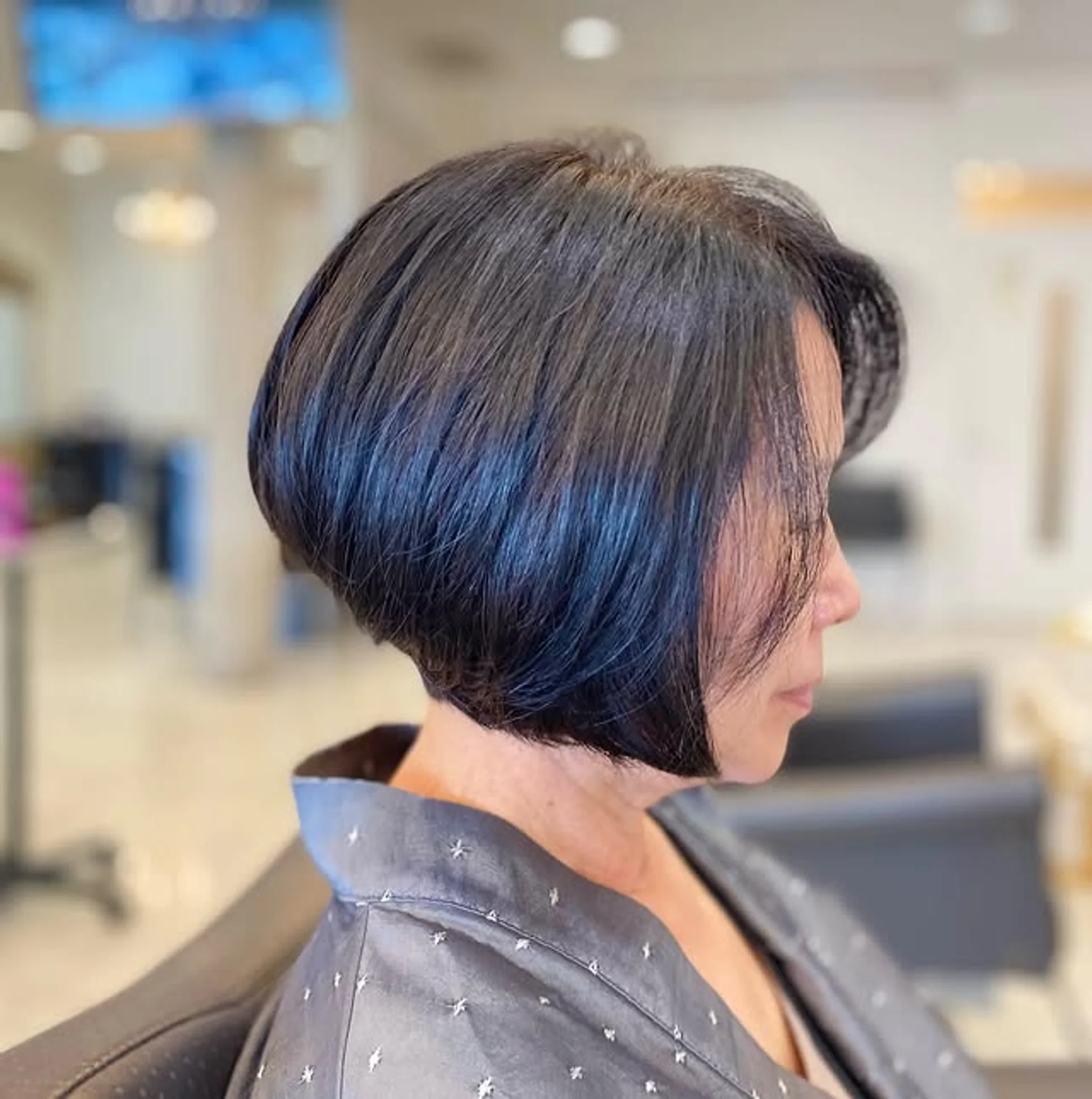
Defining the Silhouette at the Nape
The primary difference between a traditional stacked bob and a soft nape lies in weight distribution at the back of the head. A stacked cut uses graduated layers that build a pronounced wedge of volume, drawing the eye upward. In contrast, removing that aggressive stacking—through blunt lines, soft interior layers, or gentle tapering—allows the hair to lay flush against the neck. This choice dictates whether your profile looks highly structured or relaxed and effortless.
The Stacked Bob: The Baseline for Comparison
To understand a soft nape, it helps to see what it replaces. Stacked or inverted bobs use short, angled layers at the base of the neck that gradually lengthen toward the crown and front. This creates a distinct, lifted shape with maximum fullness centered in the back. While excellent for creating height, the sharp angle and concentrated volume require deliberate styling to maintain the intended roundness.


The Layered Bob with a Soft Nape
For a softer profile, stylists replace tight exterior graduation with lighter interior layers. This approach removes bulk from the bottom without building a wedge. The ends lightly hug the neck rather than projecting outward, creating movement and a rounded, softer silhouette that feels less structured than a traditional stack.


The Blunt Bob: Even Weight Distribution
If you want to avoid back-volume entirely, a blunt cut leaves the weight uniformly distributed at the perimeter. Because the hair at the back falls to the exact same visual line as the front, the wedge shape is completely eliminated. The result is a crisp, dense edge that sits close to the nape rather than flaring out.


The Textured Wavy Bob: Relaxing the Shape
When natural or styled waves are introduced, a highly stacked back can sometimes appear excessively round or bushy. Removing the stack in favor of a textured, even cut allows the waves to cascade naturally. The width comes from the hair's texture rather than a carved geometric baseline, creating an airy finish around the nape.


Compare portfolio photos and discuss your goals with a stylist.
Explore hairstyles


